There is a myth that creative talent has an expiration date, that if you did not learn to paint in your twenties, the ship has sailed. Tell that to Grandma Moses, who picked up a paintbrush in her late seventies and became one of America’s most beloved artists. The truth is that the years after 50 might be the single best time in life to start painting, and watercolor is the friendliest door in.
Maybe the kids have launched, or the career has downshifted, or you simply have more evenings that belong to you again. Whatever brought you here, if you have ever stood in front of a painting and thought “I wish I could do that,” this is your invitation. Here is why watercolor and this season of life are such a beautiful match.
You Finally Have the Superpower Painting Requires
Watercolor rewards exactly the qualities that deepen with age: patience, observation, and the willingness to let go of control. Young painters famously fight the medium, overworking every wash. Painters who come to it later tend to have made peace with imperfection, and it shows in their work.
You have also spent decades really looking at things, whether you realized it or not. Gardens you have tended, beaches you have walked, the way afternoon light falls across a kitchen table. All of that stored visual life becomes subject matter the moment you pick up a brush.
Real Benefits for Brain and Body
The research on creative hobbies later in life keeps piling up, and it is encouraging. Learning a genuinely new skill, the kind that makes your brain work a little, is one of the best things you can do for cognitive health as you age. Studies have linked sustained creative engagement with better memory, improved mood, and lower stress levels.
Painting also delivers benefits you feel immediately. The focused, meditative state of mixing colors and laying down washes lowers stress in a way that television never quite manages. The fine brush control keeps hands and eyes working together. And finishing a painting, even a small and wobbly one, delivers a hit of accomplishment that no crossword puzzle can match.
There is an emotional dimension too. Many people in their fifties and sixties are navigating big transitions: empty nests, retirement, caring for aging parents, losing people they love. A creative practice gives those feelings somewhere to go. Plenty of painters will tell you the hobby turned out to be therapy that happens to produce art.
Why Watercolor Specifically
Among all the art forms you could choose, watercolor is uniquely suited to beginners in this chapter of life. The startup cost is modest compared to oils or pottery. There are no toxic solvents or fumes, so you can paint at the kitchen table. Cleanup is a rinse of the brush, not a turpentine ritual. A session can last twenty minutes or three hours, entirely on your terms.
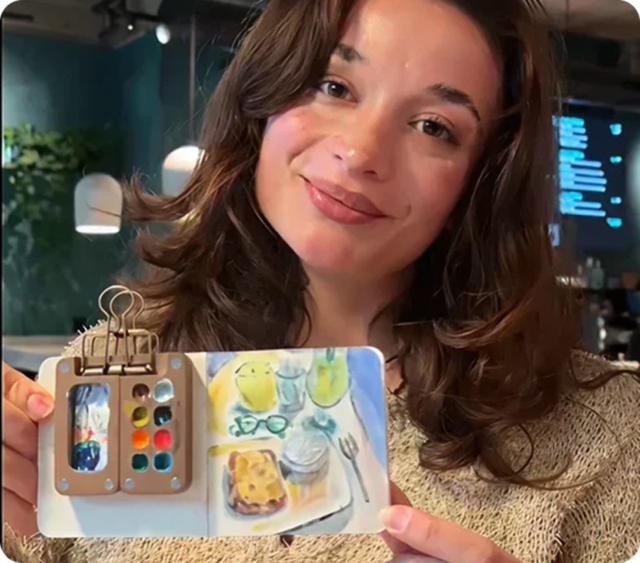
It is also the most portable of all painting mediums. A small kit slips into a tote bag and travels to the porch, the park, the grandkids’ soccer game, or that long-awaited trip to Italy. Travel sketching, incidentally, is one of the great joys of later-life painting. A quick watercolor of a cafe table will bring a trip back to you more vividly than two hundred phone photos ever will.
Getting Started Without Overwhelm
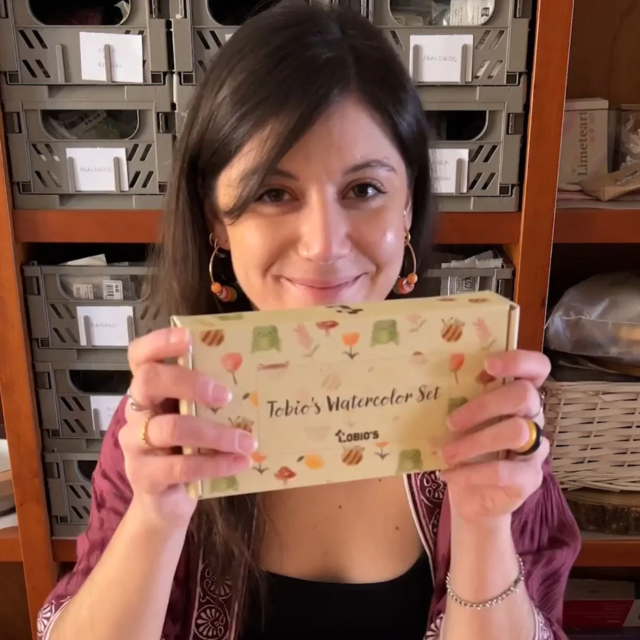
The art supply world is vast and confusing, and overbuying is the classic beginner mistake. You genuinely need only four things: paints, a couple of brushes, watercolor paper, and water. That is it. The simplest route is a watercolor starter kit from Tobios that puts everything in one box, so you can spend your energy on painting instead of researching supplies.
Start small in every sense. Small paper, simple subjects, short sessions. Paint a lemon, a leaf from the yard, the view from your window. Follow a few beginner tutorials to learn the basic washes, then give yourself permission to play. Your first twenty paintings are practice, not products, and knowing that up front is wonderfully freeing.
What Should You Actually Paint?
The blank page question stops more beginners than any technique ever will, so here is a simple rule: paint what you already love looking at. If you garden, your subjects are twenty feet from the back door. If you collect teacups, pull one down and paint it badly, then paint it again next month and marvel at the difference.
Seasonal painting is another lovely rhythm to fall into. Spring tulips, summer tomatoes from the market, October leaves, a sprig of holly in December. Painters who follow the calendar never run out of ideas, and their sketchbooks turn into something like a diary of the year, which is a quietly wonderful thing to own.
The Social Side You Did Not Expect
Painting sounds like a solitary pursuit, but it opens surprising doors. Community centers, libraries, and senior programs offer watercolor classes filled with fellow beginners, and the friendships formed over shared paint water are the real thing. Online, enormous communities of later-life painters share their work daily, cheer each other on, and prove constantly that skill grows at every age.
Family connections bloom too. Painting alongside grandchildren is a screen-free activity that levels the playing field, since your five-year-old granddaughter has no more watercolor experience than you do. Those side-by-side afternoons become the kind of memories that outlast any toy you could buy.
Permission Granted
Somewhere along the line, many of us filed “artistic” under things other people get to be. It was never true. The desire to make something beautiful does not retire, and neither does the ability to learn.
So buy the kit. Clear a corner of the table. Paint badly, cheerfully, and often, and watch what happens over a few months of quiet practice. A year from now you could be flipping through a sketchbook full of lemons, gardens, and holiday mornings, wondering why you waited so long. The tiara years, as we like to call them around here, deserve some color. You have earned every brushstroke.