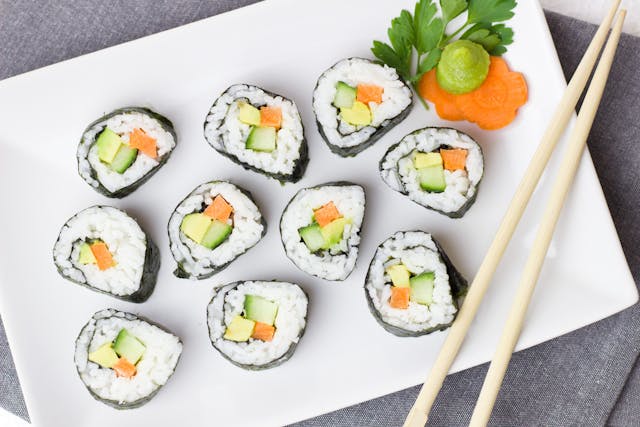
In recent years, the professional kitchen has witnessed a wave of innovation, reshaping the way chefs work and how restaurants deliver quality at scale. Nowhere is this more evident than in sushi preparation, where traditional craftsmanship meets cutting-edge technology. From automated rice dispensers to precision-cutting equipment, sushi prep has evolved significantly, driven by the need for consistency, speed, and hygiene in fast-paced commercial kitchens.
The Pressure of Precision in Sushi Kitchens
Sushi is a culinary art form that demands meticulous precision. Every piece must reflect balance in taste, texture, and presentation. However, for sushi restaurants operating in competitive urban centres or across multiple branches, scaling that level of perfection becomes increasingly difficult.
Skilled chefs are invaluable, but even the most experienced hands can be inconsistent under pressure or fatigue. In addition to this, there is a high turnover in hospitality staffing, and it’s clear why smart prep solutions are gaining traction. These technologies support the kitchen team, ensuring standardised output without compromising the artisanal integrity of the cuisine. As Cindy Hsin-I Feng notes in Beyond Nigiri and Anisakiasis, sushi chefs also contend with strict food safety regulations and health risks—such as parasitic infections and mercury exposure—adding yet another layer of responsibility to an already demanding craft.
What Does ‘Smart’ Sushi Prep Really Mean?
‘Smart’ sushi prep refers to the integration of automated kitchen equipment designed to assist or perform tasks traditionally done by hand. These machines go beyond simple automation; many incorporate sensor technology, programmable settings, and AI-driven learning capabilities to improve output over time.
Some of the most popular innovations include:
- Rice mixers and dispensers that consistently deliver perfectly seasoned and textured sushi rice.
- Nigiri robots that form uniform pieces without compacting the rice too tightly.
- Maki roll cutters that ensure every slice is clean and consistent.
- Fish slicing machines that handle delicate proteins with precision and speed.
Each of these solutions contributes to higher efficiency and more predictable results, essential traits for maintaining brand standards across different locations or high-volume operations.
Meeting Modern Operational Challenges
The rise of smart sushi prep aligns with the broader transformation in foodservice driven by technology. Professional kitchens are facing increasing challenges: labour shortages, rising food costs, stringent hygiene regulations, and growing customer expectations.
Adopting intelligent prep tools helps address these pressures. For example:
- Labour efficiency: Fewer staff are needed for repetitive tasks, allowing skilled chefs to focus on creativity and customer engagement.
- Food waste reduction: Precision cutting tools and portion-controlled dispensers minimise human error and material waste.
- Speed of service: Consistency and speed are paramount during peak hours. Machines can deliver volume without compromising quality.
- Compliance: Machines made with food-safe materials and designed for easy cleaning support compliance with local health and safety standards.
Incorporating smart equipment allows sushi kitchens to do more with less—while also reinforcing quality control at every stage.
Balancing Tradition with Innovation
For some chefs, introducing machinery into sushi prep may feel like a dilution of traditional values. But rather than replacing craftsmanship, smart equipment is increasingly viewed as an enabler. It provides a reliable foundation, allowing chefs to focus on the creative elements that distinguish their brand.
Training programmes can be tailored to ensure staff understand both the technical functions of equipment and the cultural significance of sushi-making. This dual focus ensures that automation supports, rather than overshadows, the art behind the cuisine.
A great example of this harmonious balance can be seen with the Sushi Machine range of equipment, which empowers restaurants to scale without sacrificing authenticity.
Future-Ready Sushi Kitchens
Looking ahead, the role of smart equipment in sushi prep will likely continue to grow. Integration with Internet of Things (IoT) platforms could allow remote monitoring, predictive maintenance, and performance analytics—turning kitchen equipment into strategic business tools.
Furthermore, advancements in machine learning may enable adaptive systems that refine sushi preparation techniques based on customer feedback or menu changes. Such developments promise not only operational efficiency but also a deeper understanding of customer preferences.
Restaurants that embrace these innovations today position themselves for long-term resilience and competitive advantage.
Blending Tradition and Innovation
The essence of great sushi lies in discipline, precision, and respect for ingredients. Smart prep solutions don’t take away from this heritage; they reinforce it in environments where consistency and speed are paramount. By blending tradition with innovation, sushi kitchens can maintain the highest standards—even under modern commercial pressures.
As the landscape of professional kitchens continues to evolve, those who adapt with foresight and purpose will remain at the forefront of culinary excellence.