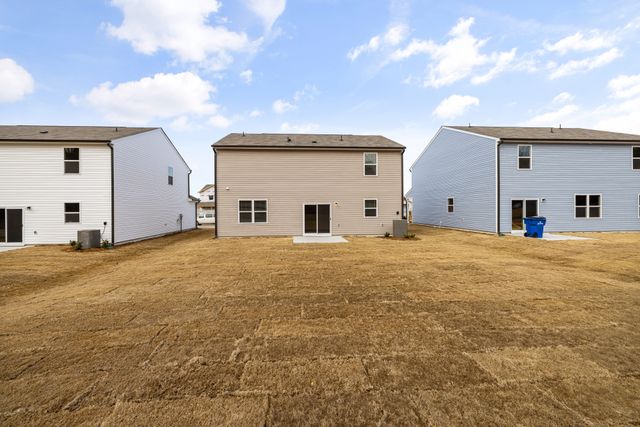
Source: Pexels
Buying a newly built home sounds simple on paper. You pick a floor plan, choose finishes, sign documents, and wait for the keys. In real life, the process has more moving parts. If you’re looking at places around Houston, local factors matter too, from commute patterns and school districts to storm planning and neighborhood growth. A new home can give you modern features and fewer repair headaches, but only if you go in with clear expectations and smart questions.
Understand what “new construction” really includes.
A newly built home can mean several different things, and the label matters more than many buyers expect. Some homes are fully completed and move-in ready. Others are semi-custom, where you choose finishes but not the full design. Then there are homes still in the dirt-and-framing stage, which can feel exciting until construction delays enter the chat.
You’ll also want to know whether you’re buying in a master-planned community, a smaller subdivision, or an infill development closer to the city. Each option affects traffic, amenities, resale value, and your day-to-day routine.
When you explore Houston area new construction homes, pay attention to more than square footage. Builder reputation, warranty terms, timeline reliability, and neighborhood plans often tell you more about long-term satisfaction than a glossy model home ever could.
Look beyond the model home sparkle
Model homes are built to impress. They smell fresh, the lighting is perfect, and every sofa seems strategically placed to make the living room look twice as large. It’s real estate theater, and it works.
Your job is to focus on what comes standard versus what costs extra. The countertops, flooring, trim details, and even that charming covered patio may be upgrades. Ask for a detailed sheet showing included features and optional add-ons before you mentally move your furniture in.
Pay attention to storage, outlet placement, natural light, and room dimensions. A bedroom labeled as a bedroom may technically qualify, but that doesn’t mean it fits a queen bed and a desk without turning into a game of furniture Tetris.
Take photos and notes during each visit. After you tour three or four communities, layouts and pricing can blur together fast.
Study the builder as carefully as the floor plan
A floor plan can look great online and still become a frustrating experience if the builder has poor communication or inconsistent workmanship. Before signing anything, research the builder like you’d research a major purchase, because that’s exactly what this is.
Read reviews across multiple platforms, but don’t stop at star ratings. Look for patterns in buyer comments. Repeated complaints about delayed closings, unfinished punch-list items, or weak warranty support deserve attention. A few negative reviews are normal. A trail of the same issue is a clue.
Ask how often the builder provides progress updates and who your main contact will be during construction. You should also ask about subcontractors, quality checks, and final walkthrough procedures.
If possible, visit completed neighborhoods by the same builder. Seeing how homes and common areas look after a few years can reveal more than the sales office ever will.
Pay attention to location details that affect daily life
A beautiful home in the wrong location can wear on you faster than outdated kitchen cabinets. Commute time, school zoning, grocery access, road noise, and flood patterns all shape how comfortable the home feels six months after move-in.
In the Houston area, location questions deserve extra care. Some communities offer newer infrastructure and easy access to major employment corridors. Others trade convenience for larger lots or lower prices. Neither is automatically better. It depends on how you actually live.
Drive the area at different times of day. Morning traffic can tell a very different story than a Saturday afternoon tour. Check nearby development plans too. An empty field behind your future backyard may stay peaceful, or it may become retail, apartments, or another construction phase.
A neighborhood can change quickly, and you should know whether that change supports your goals.
Get serious about inspections and walkthroughs
A new home still needs an inspection. That point gets skipped far too often because buyers assume new equals flawless. It doesn’t. Even quality builders can have issues with grading, HVAC installation, roofing details, or cosmetic finishes.
Hire an independent inspector, not someone casually recommended in the sales office lobby. If possible, schedule inspections at key stages, such as pre-drywall and final completion. Catching problems early is easier than trying to fix them after the walls are closed and the closing date is looming.
During walkthroughs, test everything. Open windows, run faucets, flush toilets, check cabinet alignment, inspect paint edges, and look at flooring transitions. Bring blue tape and mark concerns clearly.
You’re not being difficult. You’re being thorough, which is a much better personality trait when buying a house than discovering a leak after your first rainstorm.
Make choices that support resale as well as comfort
Even if you plan to stay for years, resale value still matters. Tastes change, jobs change, and life loves a plot twist. A home that works well for future buyers gives you more flexibility.
Choose upgrades with broad appeal when possible. Neutral finishes, durable flooring, useful storage, and functional kitchen layouts usually age better than highly specific design choices. That neon tile accent wall may feel bold and artistic now; five years later, it might feel like a conversation you didn’t want to keep having.
Think about bedroom count, office space, energy efficiency, and outdoor usability. These features tend to matter in everyday life and in future marketability.
A newly built home can be a smart move when you approach it with patience, solid research, and a realistic budget. You’re not just buying fresh paint and untouched appliances. You’re choosing a builder, a location, a timeline, and a lifestyle that needs to work long after the welcome mat goes down.