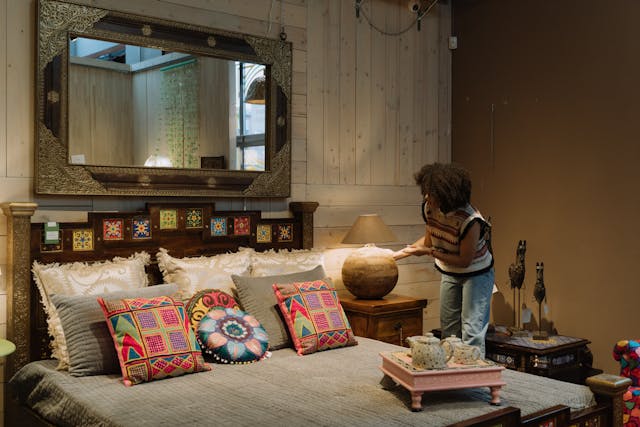
 When you walk into a room that exudes cohesion, elegance, and comfort, it’s easy to sense that something has been done right, even if you can’t quite put your finger on what that is. A professionally styled interior doesn’t just look good in photographs; it feels harmonious, liveable, and intentional. But what exactly goes into creating that polished finish that makes a space feel complete?
Whether you’re planning a renovation or simply want to refresh your home, understanding the principles behind expert-level interiors can help you replicate the look with confidence.
A Balanced Layout That Feels Visually Stable
A key element that often separates an amateur layout from a refined one is balance. This doesn’t mean symmetry necessarily, but rather ensuring that no single area feels too heavy or too sparse. For example, if you have a large sofa on one side of the room, balance it with a pair of armchairs, a floor lamp, or artwork on the opposite wall.
Proportion plays a significant role here, too. Oversized furniture in a small room can feel overwhelming, just as petite furnishings in a spacious area may look underwhelming. The best interiors make use of scale that suits both the room’s dimensions and its intended function.
Layers of Texture That Add Depth and Warmth
One hallmark of a professionally designed space is the strategic use of texture. Layering different materials—such as linen, velvet, timber, glass, brass, or stone—adds visual interest and depth. For example, pairing a plush woollen rug with a leather sofa and metal light fixtures introduces contrast and richness without relying solely on colour.
Texture also enhances tactile comfort, which is just as important as visual appeal. A room that incorporates both hard and soft surfaces feels complete, engaging multiple senses and creating a more immersive atmosphere.
A Cohesive Colour Scheme With Harmonious Tones
Choosing the right colour palette is essential to creating a cohesive look. Professionals often begin with a base of neutral tones—think whites, greys, taupes—and then layer in accent colours through accessories, artwork, or soft furnishings. The key is consistency: colours should complement one another across the room and between adjoining spaces.
Don’t forget about undertones. Warm and cool undertones can clash when mismatched, making a room feel jarring rather than serene. It’s not just about picking colours you love; it’s about choosing colours that work in harmony within the space’s lighting conditions and overall style.
For homeowners unsure of how to coordinate tones and finishes confidently, getting insights from professional decorators for your interiors can provide clarity on how to bring different elements together in a cohesive and considered way. Their trained eye can spot subtle clashes in undertones or recommend palettes that suit both your space and lifestyle
Thoughtful Furniture Placement That Supports Flow
One of the clearest indicators of a professionally styled room is the careful consideration of furniture placement. Each item should support the room’s function while enhancing its flow. In a living room, for instance, seating should be arranged to promote conversation, rather than being scattered randomly or pushed against walls.
Traffic flow is another crucial aspect. Ensure there’s enough space to move comfortably through the room without obstruction. Designers often use zoning techniques to break open-plan areas into distinct zones for lounging, dining, or working, using rugs, lighting, or furniture groupings.
Well-Planned Lighting That Enhances Ambience
Lighting is one of the most transformative yet often overlooked elements in interior design. A well-lit room typically includes three layers:
- Ambient lighting – the general overhead light that illuminates the space.
- Task lighting – practical lights for specific functions, such as reading lamps or under-cabinet kitchen lighting.
- Accent lighting – used to highlight architectural features, artwork, or decorative pieces.
Combining these three ensures a room is both functional and inviting. Dimmable fixtures add further flexibility, allowing you to adjust the mood according to the time of day or activity.
Finishing Touches That Reflect Style and Intent
What truly elevates a space from good to great are the details. Styling accessories, such as vases, books, plants, or textiles, give a room its personality and charm.
That said, those details should also suit the room’s function and setting. This idea is grounded in the aesthetic principles of interior design, where beauty is closely linked to purpose and context.
For example, a delicate glass sculpture might look striking in a formal sitting room, but would feel out of place — and be highly impractical — in a busy family kitchen or playroom.
The Subtle Art of a Well-Put-Together Room
A professionally styled room isn’t just about buying expensive furniture or keeping up with trends. It’s about creating a space that feels intentional, balanced, and inviting.
By understanding the fundamental principles that designers use, such as balance, texture, colour, lighting, and detail, you can begin to elevate your interiors with confidence and clarity.