 The field of prosthodontics has undergone a significant transformation over the past several decades, evolving from rudimentary replacements to highly specialized, tech-driven solutions. What once involved basic dentures and bridgework has now expanded into a realm that incorporates digital imaging, 3D printing, and biomimetic materials. These advancements not only improve functional outcomes but also offer aesthetically pleasing and more durable results. Modern prosthodontics is at the crossroads of art and science, requiring both technical expertise and an artistic touch to reconstruct natural smiles.
As dental care becomes more patient-centric, prosthodontists now tailor treatments that align with an individual’s anatomical, functional, and lifestyle needs. No longer is it sufficient to merely “replace a tooth.” The objective today is to restore overall oral health while enhancing quality of life, improving speech, nutrition, confidence, and even social interaction. With more adults keeping their natural teeth longer, the demand for complex restorative procedures, including full-mouth rehabilitations, has grown substantially.
The incorporation of interdisciplinary collaboration has also revolutionized the specialty. Prosthodontists often work alongside oral surgeons, periodontists, and orthodontists to ensure comprehensive care. This team-based approach allows for multifaceted treatments that address not just tooth loss but underlying causes such as bone resorption or bite dysfunction. As a result, modern prosthodontic care is not just about replacing what’s missing; it’s about integrating science and customization to rebuild health, function, and appearance in the most effective way possible.
Implant-Supported Restorations: Precision Meets Permanence
Dental implants have become a cornerstone of modern prosthodontic treatment. These titanium posts, anchored into the jawbone, act as artificial roots, providing a stable base for crowns, bridges, or dentures. Unlike removable dentures, implant-supported restorations offer a level of permanence and comfort that has fundamentally changed how practitioners approach tooth loss. Moreover, they help prevent bone deterioration by stimulating the jaw, something traditional prosthetics fail to do.
Implants also stand out for their high success rates and adaptability. Whether a patient needs a single tooth replaced or a full arch reconstruction, implants can be customized to meet varying clinical needs. Thanks to digital planning software and 3D imaging, prosthodontists can map the jaw’s anatomy with pinpoint accuracy, minimizing surgical risk and improving outcomes. This level of precision is particularly important when working in esthetically sensitive zones, such as the front teeth.
In regions like the San Francisco Bay Area, where demand for advanced dental care continues to grow, practices such as Dental Implant Partners have become trusted resources for patients exploring implant-supported solutions. Through their work in comprehensive prosthodontic care in San Francisco, they provide clear guidance on treatment options, patient education, and long-term oral health planning, helping individuals make informed decisions about restoring both function and aesthetics.
Full Mouth Rehabilitation: Rebuilding from the Ground Up
Full mouth rehabilitation is among the most complex undertakings in prosthodontics, involving a comprehensive treatment plan to restore all teeth in the upper and lower jaws. Often required due to trauma, decay, bite imbalances, or congenital conditions, this treatment is both functionally and emotionally transformative. It starts with a detailed diagnostic phase, including digital scans, occlusal analysis, and interdisciplinary consultations to ensure a cohesive roadmap.
The treatment plan may integrate a combination of procedures such as crowns, bridges, implants, and even orthognathic surgery. What distinguishes a full mouth rehab from standard restorative work is its holistic approach, considering not just tooth replacement but also muscle dynamics, temporomandibular joint (TMJ) health, and periodontal status. This is critical because misalignment or imbalance in one area can trigger cascading issues elsewhere in the oral system.
Patients undergoing this level of care must be prepared for a commitment in terms of time, finances, and involvement. But for many, the return on investment is invaluable. Beyond physical restoration, full mouth rehabilitation often leads to a renewed sense of identity and confidence. It’s not unusual for patients to describe their results as “life-changing,” as they regain the ability to chew properly, speak clearly, and smile without reservation.
Digital Prosthodontics: The New Frontier
The integration of digital tools has redefined how prosthodontic care is delivered. Technologies such as CAD/CAM (Computer-Aided Design and Manufacturing), intraoral scanners, and 3D printers have replaced traditional impressions and manual modeling techniques. This digitization leads to faster turnaround times, higher precision, and greater comfort for the patient. Instead of waiting weeks for lab-fabricated restorations, many patients now benefit from same-day crowns and prosthetics.
Digital workflows also enhance communication between clinicians and dental laboratories. With cloud-based data sharing, adjustments can be made in real-time, reducing errors and improving fit and aesthetics. Furthermore, prosthodontists can use virtual simulations to show patients potential outcomes before beginning treatment, which helps set expectations and fosters trust in the process.
For practitioners, digital technology offers predictive modeling capabilities that improve case planning, especially in complex reconstructions. This technology-driven accuracy means fewer follow-up appointments and long-term durability. As digital ecosystems continue to evolve, they are making prosthodontic care more efficient, personalized, and accessible to a broader population.
Aesthetic Considerations in Modern Prosthodontics
While function is paramount in prosthodontics, aesthetics are equally critical, especially in the anterior (front) region where even the slightest mismatch can affect a person’s appearance and self-esteem. Today’s prosthodontists leverage a deep understanding of smile dynamics, facial proportions, and dental morphology to craft restorations that mimic natural teeth in both form and translucency. Materials like zirconia and lithium disilicate offer strength without compromising beauty.
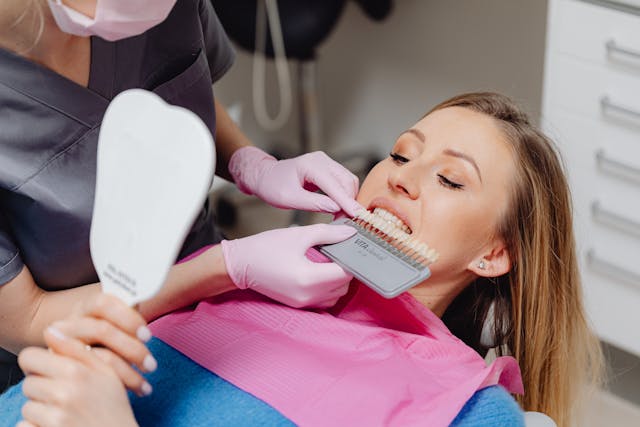
Shade matching and surface texturing are now accomplished with incredible finesse, thanks to digital shade guides and high-resolution imaging. Technicians can replicate the minute characteristics of adjacent teeth, such as microcracks and subtle color gradients, resulting in restorations that are virtually indistinguishable from their natural counterparts. This meticulous attention to detail is especially vital in patients with high esthetic demands or in visible zones.
Moreover, prosthodontists often collaborate with cosmetic dentists and lab ceramists to achieve harmony across the full dental arch. This level of interdisciplinary design ensures that the final result aligns with the patient’s overall facial features, skin tone, and even personality. The aesthetic dimension of prosthodontics is not merely about vanity, it’s about restoring dignity, confidence, and authenticity to a person’s smile.
Removable Prosthodontics: Still Relevant, Still Evolving
Despite the advancements in implant technology, removable prosthodontics, such as complete and partial dentures, remain a viable and often necessary option for many patients. Economic considerations, anatomical limitations, or medical contraindications to surgery make removable solutions essential in the prosthodontic toolkit. Today’s dentures are far removed from the bulky, uncomfortable appliances of the past. With improved materials and better fitting techniques, they offer enhanced comfort and function.
Modern partial dentures, for example, can be designed with flexible bases and precision attachments, reducing bulk and increasing retention. Innovations such as digital denture design allow for better predictability in fit, reducing sore spots and improving patient satisfaction. These advancements have led to higher adoption rates among younger patients who may need interim solutions before considering implants.
Clinicians are also integrating removable options with implants to create hybrid prosthetics, offering a balance of affordability and stability. These overdentures provide superior retention while allowing for easier maintenance and repair. As prosthodontics continues to diversify, removable appliances maintain their relevance by offering customized solutions for a wide array of patient needs.
Geriatric Prosthodontics: Aging with Dignity
With global populations aging, prosthodontics tailored to older adults has become increasingly important. Geriatric prosthodontics addresses the unique challenges faced by elderly patients, including diminished bone density, dry mouth, compromised dexterity, and multiple comorbidities. Treatment plans must be sensitive to these complexities, often requiring adaptations in material choice, prosthetic design, and maintenance protocols.
Older patients may also face psychological barriers to care, stemming from years of dental neglect or fear. Prosthodontists must act not only as clinicians but also as educators and advocates, guiding seniors through realistic expectations and outcomes. By prioritizing comfort, function, and ease of use, geriatric-focused care helps maintain independence and improves quality of life.
In this demographic, continuity of care is essential. Regular evaluations to adjust prosthetics, manage oral hygiene, and monitor tissue health become key pillars of ongoing treatment. As prosthodontics evolves, it must do so with inclusivity, ensuring that every stage of life has access to compassionate, competent, and customized care solutions.
The Future of Prosthodontics: Personalized, Predictive, Preventive
Looking ahead, prosthodontics is poised to become more integrated with emerging trends in personalized medicine. Genetic testing, salivary diagnostics, and AI-driven treatment planning are being explored to enhance predictability and precision. These innovations may one day allow prosthodontists to foresee complications before they arise, tailoring treatments based not just on current oral health, but on a patient’s unique biological profile.
The role of artificial intelligence in prosthodontics is also gaining momentum. From diagnosing occlusal issues to forecasting prosthetic wear patterns, AI can assist clinicians in making more informed decisions. These data-driven insights reduce variability and open up possibilities for preventive prosthodontics, an entirely new frontier focused on intercepting problems before tooth loss even occurs.
Finally, the patient experience will continue to improve as digital tools streamline appointments, enhance communication, and reduce treatment times. As the discipline continues to embrace innovation, prosthodontic care will increasingly emphasize not only restoration but also prevention, personalization, and lifelong oral wellness. This forward-looking approach ensures the specialty remains vital in a healthcare landscape that demands precision, empathy, and adaptability.