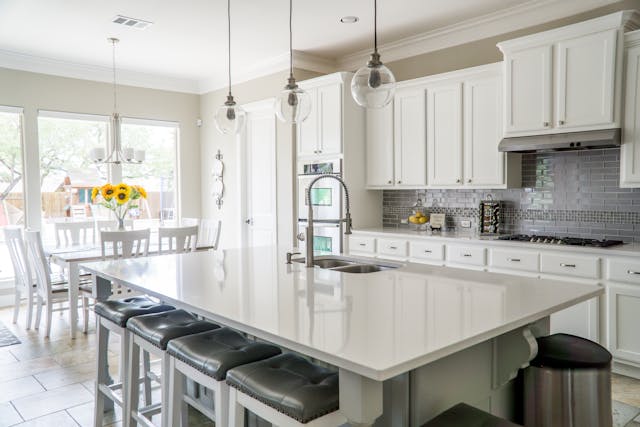
Planning a kitchen remodel represents one of the most significant home improvement investments you can make. With kitchen renovations becoming increasingly popular and complex, understanding the key considerations before starting your project can mean the difference between a successful transformation and costly mistakes. A well-executed kitchen remodel not only enhances your daily living experience but can also substantially increase your home’s value.
Understanding Your Budget and Cost Expectations
The financial aspect of kitchen remodeling often proves more complex than homeowners initially anticipate. According to the National Kitchen & Bath Association’s 2025 Kitchen Trends Report, the average total cost of a kitchen renovation is $71,159 for a medium-size kitchen and $137,228 for a large one, with costs ranging between $25,000 and $150,000 depending on materials.
Cabinets account for nearly 30% of the budget for kitchen remodels, making them one of the largest expense categories. Understanding these cost breakdowns helps you allocate your budget more effectively and avoid overspending in one area at the expense of others. Minor remodels typically cost about $27,600 and involve upgrades to appliances, new countertops and flooring, while major midrange remodels average around $80,000.
When establishing your budget, consider not just the visible elements but also potential hidden costs such as electrical upgrades, plumbing modifications, and structural changes. Many successful remodelers recommend setting aside an additional 10-20% of your budget for unexpected expenses that commonly arise during renovation projects.
Evaluating Return on Investment
Kitchen remodels consistently rank among home improvements with strong financial returns, though the actual return varies significantly based on scope and execution. On average, a minor kitchen remodel can yield an ROI of 70-80%, while major upscale renovations tend to recover around 50-60% of the investment. Homeowners typically recoup approximately 65-75% of their kitchen remodel costs at resale, with mid-range upgrades often delivering higher returns than ultra-luxury renovations.
A common rule of thumb is to invest between 5% to 15% of your home’s total value in a kitchen remodeling project. This guideline helps ensure you don’t over-improve for your neighborhood while still creating meaningful value. The key lies in making strategic improvements that appeal to broad market preferences rather than highly personalized choices that may not resonate with future buyers.
Design and Layout Considerations
Successful kitchen design balances functionality with aesthetics while working within your home’s existing structure. The kitchen work triangle, connecting the sink, stove, and refrigerator, remains a fundamental principle for efficient kitchen layout. However, modern kitchen design has evolved to accommodate multiple work zones, especially in larger spaces where multiple people may cook simultaneously.
Consider your cooking habits and lifestyle when planning the layout. Frequent entertainers might prioritize open sight lines to adjacent living spaces, while serious home chefs may prefer dedicated prep areas and abundant counter space. Island additions can provide valuable workspace and storage, but ensure adequate clearance space around all sides for comfortable movement.
Storage solutions deserve particular attention, as inadequate storage ranks among the top complaints in kitchen functionality. Planning for diverse storage needs, from small appliances to bulk items, prevents clutter and maintains the kitchen’s aesthetic appeal over time.
Selecting Quality Materials and Finishes
Material choices significantly impact both the project’s cost and long-term satisfaction. When considering new custom kitchen cabinets, evaluate construction quality, hardware durability, and finish options that will maintain their appearance over time. Solid wood cabinets offer longevity and classic appeal, while engineered materials can provide consistent appearance and potentially better moisture resistance.
Countertop materials present another major decision point, with options ranging from economical laminate to premium natural stone. Consider maintenance requirements, durability, and how the material complements your overall design aesthetic. Similarly, flooring choices should balance appearance with practicality, considering factors like moisture resistance, ease of cleaning, and comfort underfoot.
Appliance selection requires balancing features, energy efficiency, and budget constraints. Focus on appliances that match your cooking habits rather than pursuing the most advanced features you may never use. Energy-efficient appliances can provide long-term cost savings while supporting environmental sustainability goals.
Planning for Disruption and Timeline Management
Kitchen remodels inevitably disrupt daily routines, often for several weeks or months. Successful project management begins with realistic timeline expectations and contingency planning for delays. Weather, material availability, and discovery of unexpected structural issues can extend project duration beyond initial estimates.
Establish temporary cooking arrangements before construction begins, whether through a makeshift kitchen setup in another room or increased reliance on takeout and restaurant meals. Consider the timing of your remodel relative to family schedules, holidays, and other commitments that might complicate the disruption.
Communication with your contractor about daily schedules, dust protection measures, and cleanup expectations helps minimize friction during the construction process. Clear agreements about work hours, material storage, and site security protect both your property and relationship with the construction team.
Working with Professionals vs. DIY Considerations
While some aspects of kitchen remodeling suit DIY approaches, many elements require professional expertise for safety and code compliance. Electrical work, gas line modifications, and structural changes typically require licensed professionals and permit approvals. Attempting complex work beyond your skill level can result in safety hazards, code violations, and potentially costly corrections.
Research contractors thoroughly, checking licenses, insurance coverage, and references from recent projects. Multiple detailed quotes help you understand market rates and identify potential red flags in pricing or proposed approaches. Clear contracts specifying materials, timelines, and change order procedures protect both parties and set expectations for project execution.
Even when hiring professionals for major work, homeowners can potentially handle finishing touches like painting or simple hardware installation to reduce costs while maintaining quality standards.
Kitchen remodeling represents a significant investment in both time and money, but thoughtful planning and realistic expectations lead to transformative results. By carefully considering budget constraints, design goals, material choices, and project logistics, you can navigate the remodeling process more successfully and create a kitchen that serves your family’s needs for years to come.