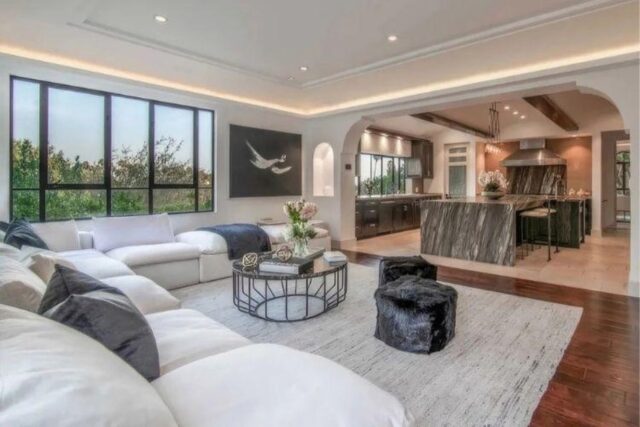
[Photo Credit: Soulfa.]
For years, the “perfect” living room was something to look at rather than something to live in. Crisp cushions, untouched throws, and layouts designed more for photos than people became the norm. But that approach is starting to feel outdated.
Today’s homeowners want more. They want spaces that work hard, feel inviting, and reflect how life is lived, whether that means movie nights, remote work, or simply a quiet moment at the end of a long day.
This has sparked what many designers now call the modern living room reset: a move toward practical design that doesn’t sacrifice comfort or style. It’s not about starting from scratch. It’s about making smarter, more intentional choices.
Why the Living Room Is Changing
The living room has quietly become one of the busiest spaces in the home. It’s no longer just for entertaining guests; it’s a multi-functional hub.
According to a 2023 Houzz Living Trends Study, over 60% of homeowners reported using their living rooms for multiple purposes, including work, relaxation, and family time. This evolution has forced a rethink of what the space should offer.
Interior designer Amber Lewis puts it simply:
“People don’t want rooms that feel staged anymore. They want rooms that support their daily routines.”
That means comfort is the baseline.
Start With How You Use the Space
Before moving furniture or buying anything new, take a step back and observe how your living room functions day to day.
Do you:
- Sit in the same spot every evening?
- Avoid certain chairs because they’re uncomfortable?
- Struggle with clutter building up?
These patterns reveal what’s working and what isn’t.
A practical reset starts by designing around real habits, not ideal ones. For example, if the sofa is where everything happens (lounging, reading, working), then it makes sense to prioritize that piece above all else.
This is where investing in something like a well-designed modular couch, such as options from Soulfa, can make a noticeable difference. The goal is to choose furniture that adapts to your routine rather than fighting against it.
Rethinking Layout Over Aesthetics
One of the biggest misconceptions about living room design is that it starts with décor. In reality, layout matters more.
A poorly arranged room can feel awkward, no matter how stylish it looks. On the other hand, a well-planned layout can make even simple furniture feel intentional.
Here are a few principles worth considering:
Create Conversation Zones
Arrange seating so people can face each other comfortably. This encourages connection and makes the space feel more welcoming.
Avoid “Wall-Hugging”
Pushing all furniture against the walls might seem like it creates space, but it often does the opposite. Pulling key pieces inward can make the room feel more balanced.
Think About Flow
Consider how people move through the space. Clear pathways reduce friction and make the room easier to use.
As designer Nate Berkus notes:
“Your home should tell the story of who you are and be a collection of what you love, but it also needs to function.”
Comfort Is a Design Priority
Comfort used to be something you checked after choosing a sofa. Now, it’s the starting point.
This doesn’t just mean soft cushions. It’s about how a space supports your body and your lifestyle.
Layered Comfort Works Best
Instead of relying on one “perfect” piece, combine elements:
- Deep seating
- Supportive cushions
- Soft textiles like throws and rugs
Materials Matter
Natural fabrics, breathable upholstery, and durable finishes all contribute to long-term comfort.
Flexibility Is Key
Furniture that can be rearranged or adapted offers more value over time, especially in busy households.
Research from the Global Wellness Institute highlights that home environments directly impact stress levels and overall well-being. A comfortable, functional living room isn’t just nice to have; it supports mental health.
Storage That Doesn’t Feel Like Storage
Clutter is one of the fastest ways to make a living room feel chaotic. But storage solutions don’t need to be bulky or obvious.
The modern approach is subtle and integrated.
Hidden Storage
Ottomans, benches, and modular furniture often include built-in storage, helping you keep essentials out of sight.
Open + Closed Balance
Too much open shelving can feel overwhelming, while too many closed cabinets can feel heavy. A mix of both keeps things visually light but practical.
Everyday Accessibility
Store items where you actually use them. Blankets near the sofa, remotes within reach — small changes make a big difference.
Professional organizer Marie Kondo emphasizes the following:
“The objective of cleaning is not just to clean but to feel happiness living within that environment.”
The Shift Toward “Lived-In” Style
There’s a noticeable move away from overly polished interiors. Instead, people are embracing spaces that feel personal and slightly imperfect.
This doesn’t mean messy. It means real.
Mix, Don’t Match
Combining different textures, materials, and styles creates depth and character.
Keep Meaningful Pieces
Instead of replacing everything, incorporate items that have sentimental value.
Let the Room Evolve
A living room doesn’t need to be “finished.” It can grow over time as your needs change.
This approach aligns with what design experts call intentional living — choosing quality over quantity and focusing on what adds genuine value.
Lighting: The Overlooked Game-Changer
Lighting is often treated as an afterthought, but it plays a huge role in how a living room feels.
Layer Your Lighting
Use a combination of:
- Ambient lighting (ceiling fixtures)
- Task lighting (floor or table lamps)
- Accent lighting (wall lights or candles)
Avoid Harsh Overhead Light
Soft, warm lighting creates a more inviting atmosphere, especially in the evenings.
Use Light to Define Zones
Different lighting levels can subtly separate areas within the same room.
According to the American Lighting Association, layered lighting improves both functionality and mood, making spaces feel more comfortable and usable.
Small Changes That Make a Big Impact
A full redesign isn’t always necessary. Often, small adjustments can reset the entire feel of a room.
- Rearranging furniture for better flow
- Swapping out heavy curtains for lighter ones
- Adding a rug to define the seating area
- Introducing plants for a natural element
These changes don’t require a major budget but can significantly improve how the space works.
The modern living room reset isn’t about chasing trends or creating a picture-perfect space. It’s about aligning your environment with your everyday life.
When practical design meets comfort, the result is a room that feels effortless to use and genuinely enjoyable to spend time in.
By focusing on layout, comfort, storage, and personal touches, you can transform your living room into a space that supports you, not just visually, but functionally too.
References
- (2023). Living Trends Study
- Global Wellness Institute. The Impact of Home Environments on Wellbeing
- American Lighting Association. Layered Lighting Principles
- Lewis, A. (Interior Designer Interviews)
- Berkus, N. (Design Philosophy Quotes)