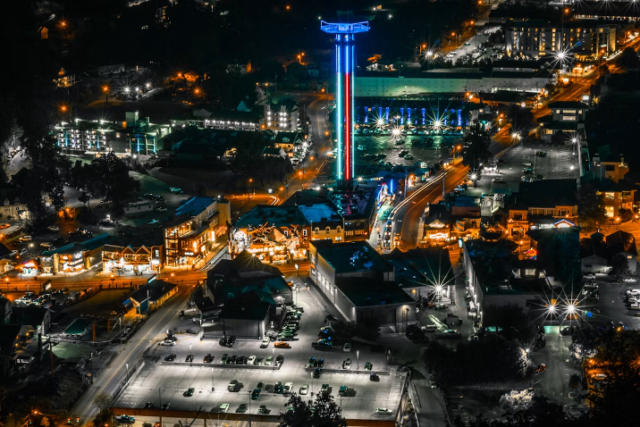
 Mornings set the tone for everything that follows on a vacation in Gatlinburg, but sometimes, they are the part most people give the least thought to. The evenings get planned, the big outings get booked, and then the first few hours of each day are left to sort themselves out.
That works badly in the mountains, where the best light, the emptiest trails, and the shortest queues all belong to people who were up and moving early. Getting the morning right is less about discipline than about removing the small frictions that slow a group down.
Sorting Out Breakfast Before You Go
Nothing stalls a morning faster than four people standing around at nine o’clock debating where to eat. Hunger makes decisions worse, and by the time somebody finally picks a place, the queue is out the door and the first hour of the day is gone. Timber Tops Cabin Rentals keeps a rundown of the best pancake houses in Gatlinburg, which is worth reading the night before rather than the morning of. Deciding in advance means you arrive before the rush instead of joining it.
Getting Out Early
The mountains reward early risers in ways that are difficult to overstate. Parking areas at popular trailheads fill by mid-morning and stay full until late afternoon. Wildlife is most active in the first hours after sunrise. The mist that gives these mountains their name burns off as the day warms, and anyone who has seen it sitting in the valleys understands why photographers are out at dawn.
Traffic follows the same pattern. The main roads move freely at eight and crawl by eleven. An hour of early effort routinely saves two hours later in the day, which is the best return on offer anywhere on a trip like this.
Managing the Group
Getting several people out the door at the same time is its own challenge, and it gets harder as the group grows. Teenagers, small children, and grandparents all run on different clocks, and forcing everyone onto a single schedule creates friction before the day has even begun.
Set the departure time the night before and be specific about it. Lay out clothes, pack bags, and load the car in the evening rather than in the morning rush. The families who manage early starts consistently are not more organized by nature. They simply front-load the work into the previous evening when nobody is tired and irritable.
Accept that some people will not be pleasant company before their first coffee. Plan around it rather than fighting it, and let the slow starters wake up in the car.
Checking the Weather Properly
Mountain conditions change quickly, and the forecast for town rarely describes what is happening a few thousand feet up. Checking before you leave saves a good deal of backtracking, and it takes almost no time.
Look at the forecast for the elevation you are actually heading to, not just the nearest town. Temperatures drop noticeably as you climb, and clouds can settle over the ridges within minutes. Summer afternoons bring short heavy storms that arrive with little warning and pass within the hour. Knowing they are coming lets you plan the day around them rather than being caught out.
Packing the Car the Night Before
The morning goes much faster when nothing needs finding. Water, snacks, sunscreen, insect repellent, and a light rain layer cover almost every scenario, and none of them take up meaningful space.
Keep a small kit permanently in the car for the week. Wet wipes, a towel for muddy shoes, spare bags for rubbish, and a phone charger will all get used. Downloading maps in advance matters more here than most places, since cell coverage disappears in the deeper valleys and reappears unpredictably.
Choosing the First Activity Well
What you do first shapes how the rest of the day feels. Starting with something demanding when nobody is properly awake tends to go badly, particularly with children. Starting with something too gentle can make the day feel like it never really began.
A moderate walk with a clear payoff at the end works well for most groups. Save anything requiring real effort for once everyone has eaten and woken up properly. If the group is split on what to do, the morning is the best time to separate and meet back up for lunch, since energy levels are still high enough that nobody feels short-changed.
Understanding When the Crowds Arrive
Almost everything in this region follows the same daily rhythm. Quiet until nine, busy from ten, packed from eleven through the late afternoon, and thinning again after six. Understanding that pattern is worth more than any single piece of planning advice.
Day visitors arrive later than people staying locally, which is a meaningful advantage if you are already here. Use the first two hours for anything popular and the middle of the day for anything that does not involve queues. The busiest stretch is a good time to be somewhere shaded, seated, or back at your accommodation.
Building In a Slower Morning
Not every day needs an early start, and a week of them will wear a group down. Plan at least one morning with nothing scheduled at all, where people wake when they wake and the day begins whenever it begins.
Those mornings tend to be the ones people remember, oddly enough. A slow start on a deck with coffee and no obligations does more for the mood of a trip than another early departure. The trick is choosing which mornings those are rather than letting them happen by accident, because an unplanned late start usually comes with the frustration of a wasted day attached.
Keeping the Rhythm Through the Week
Consistency matters more than intensity. A group that gets up at a reasonable hour every day will do more over a week than one alternating between dawn starts and mornings lost to exhaustion.
Wind down properly in the evenings so the mornings are manageable. Long late nights and early departures do not coexist for more than a day or two, particularly with children in the group. Set a realistic pattern on the first morning, hold to it loosely, and the rest of the week tends to sort itself out.