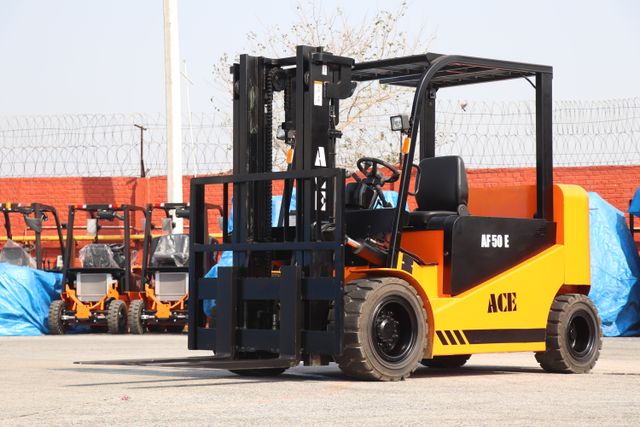
Big warehouse delays rarely start with one major breakdown. More often, they’re the result of small issues that go unnoticed until they begin affecting the entire workflow. A forklift that’s overdue for maintenance, a missing replacement part, or a few extra minutes spent searching for equipment may not seem like much on their own. Over time, though, those little setbacks can slow deliveries, frustrate your team, and increase operating costs. The good news is that a few simple changes to your daily routine can help you spot problems early, reduce downtime, and keep your warehouse running smoothly.
Start with downtime
If your warehouse feels slower than it should, downtime is often the real culprit. One forklift out of action can create a domino effect. Orders stack up, workers wait around, and simple tasks take twice as long. It’s a bit like losing one shoe before a race. Technically, you can still move, but not well.
A smart first step is knowing where to get the right replacement parts when equipment needs attention. If your operation uses Raymond equipment, it helps to have a reliable parts supplier. Intella Parts specializes in replacement components for a wide range of material handling equipment. For more information, visit https://intellaparts.com for Raymond forklift parts that match the machine you already rely on. That’s not about shopping for fun. It’s about reducing the time your team spends stuck waiting.
The bigger point is simple. Delays cost more than most people expect. Lost labor time, missed shipping windows, and rushed fixes all add up fast. When you treat downtime as a business issue instead of just a repair issue, your daily decisions get sharper.
Notice early warning signs
Forklifts and warehouse equipment usually give you hints before they quit. The trick is paying attention while the problem is still small. If a machine starts lifting slower than normal, makes a strange grinding noise, or leaves a little puddle where there definitely should not be a puddle, don’t brush it off.
Operators are often the first people to spot trouble. If someone keeps mentioning stiff steering, jumpy controls, weak brakes, or a battery that seems to drain too quickly, listen. Repeated complaints are not just workplace background music. They’re often early warning bells.
You should also watch for patterns in the workspace itself. Are loads taking longer to move? Are certain tasks getting reassigned because one machine feels unreliable? Those little adjustments can hide a bigger equipment problem.
Catching issues early usually means a smaller repair, less stress, and fewer interruptions. Ignore them, and the machine may eventually make the decision for you. Spoiler alert: it won’t pick a convenient time.
Keep parts records simple
A lot of small businesses make maintenance harder than it needs to be because records are scattered everywhere. One note is on a clipboard, another is in someone’s phone, and the rest live in Dave’s memory. Dave means well, but Dave should not be the filing system.
Keep a simple parts and service log for each machine. You do not need fancy software to start. A shared spreadsheet or basic digital form can do the job. Track the model, serial number, recent repairs, common wear parts, service dates, and any patterns you notice.
It also helps to record how often certain parts need replacing. If a tire, battery connector, or hydraulic component keeps causing trouble, that tells you something useful. You might need to stock a spare or schedule checks more often.
Review the log once a month. That small habit can save you from a frantic search during a breakdown. Simple systems usually win because your team will actually use them. If tracking feels like homework, people stop doing it.
Train for daily checks
Daily inspections sound boring until they save your entire morning. A two-minute check before a shift can catch problems that would otherwise turn into delays, safety risks, or repair bills with extra zeroes.
Train your team to keep pre-shift checks short and realistic. Look at the forks for cracks or bending. Check tires for damage or low pressure if the model uses pneumatic tires. Test lights, horn, brakes, steering, and controls. Watch for fluid leaks under the machine and note anything unusual.
For electric forklifts, pay attention to battery condition, connectors, and charging habits. For internal combustion models, check fuel systems and fluid levels. None of this has to feel dramatic. You are just building a routine, like checking your wallet before leaving home.
What matters most is consistency. If inspections only happen when a manager is hovering nearby, they won’t work. Make the process easy to follow and easy to report. The goal is not perfection. The goal is catching obvious trouble before it grows teeth.
Plan around busy seasons
Peak periods have a way of exposing every weak spot in your operation. The forklift that was “mostly fine” in a slow month may become a major headache when orders spike. That is why seasonal planning matters so much.
A few weeks before your busiest stretch, review equipment condition and maintenance history. Take care of overdue service early instead of gambling on one more month. If certain parts wear out often, order them before demand rises and shipping delays become part of the fun.
You should also think about staffing and scheduling. If only one person knows how to handle maintenance communication or part ordering, that’s a fragile setup. Cross-train at least one backup person so small issues do not stall while someone is out.
Busy seasons are not the time to “wait and see” with equipment. They are the time to tighten routines, inspect more carefully, and remove easy points of failure. A little planning now beats a lot of panicking later.
Build a backup mindset
Even with great habits, machines still break. That is life in a working warehouse. What separates a smooth operation from a chaotic one is how ready you are when something goes wrong.
Start with a basic backup plan. Keep a short contact list for repair help, rental options, and key suppliers. Make sure more than one person knows where maintenance records live and who approves urgent purchases. If a forklift goes down, your team should know the next step without holding a meeting that feels like a mystery novel.
It also helps to decide which tasks can shift temporarily and which ones cannot. Maybe one area can pause for an hour while priority orders keep moving. That kind of thinking lowers stress because you already know your Plan B.
The truth is simple. Reliable warehouse operations are built on ordinary habits, not heroic last-minute saves. When you notice warning signs, keep records tidy, train for quick checks, and plan ahead, you make delays less likely and recovery much easier. That’s not glamorous, but it works.