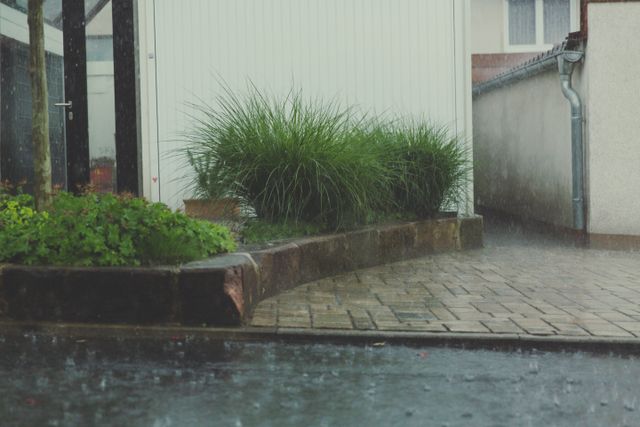
Heavy rain and strong storms can cause serious problems for homeowners. While some weather events pass without much trouble, others can leave behind water damage, flooding, and expensive repair bills. That is why it is important to prepare your home before storm season begins.
Many homeowners focus on stocking emergency supplies, but protecting the property itself is just as important. Rainwater can collect around foundations, leak through damaged roofs, overflow from clogged gutters, and damage landscaping. Even small issues that seem harmless during dry weather can become major concerns when heavy rain arrives.
Drainage Matters
One of the biggest challenges during heavy rain is managing excess water. When water has nowhere to go, it can collect around the home and create a variety of problems. Standing water may damage landscaping, weaken the soil, and increase the risk of water entering basements or crawl spaces.
Poor drainage often shows itself through puddles that remain long after rainfall has ended. Other signs include soggy areas in the yard, soil erosion, and water collecting near the foundation. These problems may seem minor at first, but they can become much more serious during periods of heavy rain.
This is where professional drainage installations can make a significant difference. Proper drainage systems are designed to move water away from areas where it can cause damage. By directing water away from foundations, walkways, and landscaped areas, these systems help protect the overall condition of the property.
Check Your Roof
Your roof serves as the first layer of protection against rain and storms. Even a small problem can allow water to enter the home and cause damage to ceilings, walls, insulation, and personal belongings.
Before storm season begins, take time to inspect the roof for visible signs of wear. Look for missing, loose, or damaged shingles. Pay close attention to areas around vents, chimneys, and skylights, as these spots are more likely to develop leaks over time.
Inside the home, check for water stains on ceilings or walls. These stains may indicate that moisture is already finding its way through the roof. If any damage is noticed, it is best to arrange repairs as soon as possible.
Clear Gutters and Downspouts
Gutters and downspouts play an important role in moving rainwater away from the home. When they become blocked with leaves, twigs, and other debris, water cannot flow properly. Instead, it may overflow and collect around the foundation or damage exterior surfaces.
Before the rainy season begins, inspect gutters for any buildup that could restrict water flow. Cleaning them regularly helps ensure they can handle large amounts of rain during storms.
Downspouts should also be checked to make sure they are not blocked. Water should be directed away from the home’s foundation rather than being released directly next to it. If necessary, extensions can be added to move water farther away from the structure.
In addition to cleaning, inspect gutters for signs of damage such as sagging sections, loose fasteners, or cracks. Damaged gutters may not function properly during heavy rain and should be repaired promptly.
Protect the Foundation
The foundation supports the entire structure of a home, which is why it deserves special attention before storm season. When large amounts of water collect around the foundation, problems can develop over time. Excess moisture can put pressure on foundation walls and may eventually lead to cracks or water leaks.
A good place to start is by walking around the outside of the home after rainfall. Look for areas where water tends to gather near the foundation. If water remains there for long periods, it may indicate a grading or drainage issue that should be addressed.
It is also important to inspect the foundation for visible cracks. Small cracks are not always a sign of serious damage, but they should be monitored. If cracks appear to be growing or if water is entering through them, it may be time to seek professional advice.
Secure the Landscape
Storm preparation should include the outdoor areas surrounding the home. Strong winds and heavy rain can damage landscaping and create safety concerns if loose items are left unsecured.
Trees should be inspected for weak, dead, or damaged branches. During a storm, these branches can break off and cause damage to roofs, vehicles, fences, or other structures. Trimming problem branches before storm season can reduce this risk.
Outdoor furniture, planters, decorations, and other loose items should also be secured. High winds can move these objects unexpectedly, creating hazards around the property.
Landscaping itself can help manage rainwater when designed properly. Plants with strong root systems can help hold soil in place and reduce erosion. Mulch can also help protect garden beds from being washed away during heavy rainfall.
Seal Entry Points
Water does not need a large opening to enter a home. Even small gaps around windows and doors can allow moisture inside during heavy rain. Over time, this moisture can damage walls, flooring, and other materials.
Before storm season begins, inspect windows and doors for signs of wear. Check weatherstripping for cracks or gaps and replace it if necessary. Damaged weatherstripping can reduce protection against both water and drafts.
Caulking around windows and exterior openings should also be examined. If it appears cracked, loose, or missing in certain areas, applying new caulk can help create a better seal.
Build a Storm Checklist
Creating a storm preparation checklist is a simple way to stay organized. Instead of trying to remember every task at the last minute, homeowners can follow a list and make sure nothing important is overlooked.
The checklist can include inspecting the roof, cleaning gutters, checking drainage systems, trimming trees, and examining windows and doors. Reviewing these items before each storm season helps ensure the home remains prepared year after year.
Emergency supplies should also be included on the checklist. Items such as flashlights, batteries, bottled water, first-aid supplies, and phone chargers can be useful during power outages or severe weather events.
Preparing a home for heavy rain and storm seasons does not have to be complicated. Many of the most effective steps involve simple inspections and routine maintenance. Checking drainage, inspecting the roof, cleaning gutters, protecting the foundation, securing outdoor areas, and sealing entry points can all help reduce the risk of damage.