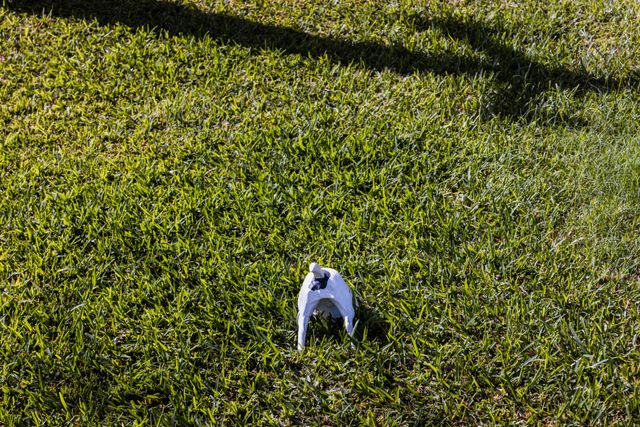
A yard tells visitors something about a house before anyone reaches the front door. Thin patches, bare stretches, and uneven color all register quickly, and homeowners tend to notice them most on the weekends when there is finally time to sit outside. Fixing the problem takes more than good intentions.
Between the heat, the sandy ground, and the storms that roll through Pinellas County most summer afternoons, grass here faces a set of pressures that would flatten turf in gentler climates. Knowing what those pressures are, and planning around them, separates a yard that recovers from one that keeps failing in the same spot year after year.
Where a Successful Lawn Project Really Begins
Most homeowners who decide to replace a tired yard start by picturing the finished result, then work backward from there. The trouble is that sod installation goes wrong long before the first piece is laid, usually when turf gets set onto ground that was never graded or loosened, leaving pockets of air where roots find nothing to hold.
Hiring a crew that manages the full sequence, from clearing and leveling through the final roll, takes the guesswork out of a job that punishes shortcuts. Homeowners across the region rely on professional sod installation in Pinellas County to get the groundwork right the first time. Getting that stage right sets the tone for everything the yard does over the next several years.
Reading Your Yard Before Anything Changes
The best information about a property comes from watching it rather than measuring it. Spend a week paying attention to where the light falls in the morning and where it disappears by three in the afternoon. Notice which corners stay damp two days after a storm and which dry out within hours. Walk the areas where the dog runs and where guests cut across on their way to the back door, since those paths compact the ground far more than anything else on the property.
Those observations shape every decision that follows. A yard that holds standing water needs different handling than one that drains before you finish putting the hose away. Skipping this step is how people end up with grass that thrives on one side of the driveway and thins out on the other for reasons nobody can explain.
How Florida Soil Behaves Under a Lawn
Ground along the Gulf side of the state runs sandy, and sand behaves in ways that surprise people who moved from elsewhere. Water passes through it fast, which sounds like a benefit until you realize nutrients travel out with it. Fertilizer applied heavily in one go often leaves the root zone before the grass can use much of it.
Compaction creates the opposite headache. Areas that see regular traffic press down into a hard layer that neither water nor roots move through easily. Loosening that layer before new turf goes down makes a measurable difference in how quickly a yard establishes. Adding organic material helps sandy ground hold moisture a little longer, which shortens the stretch where a new lawn depends entirely on the sprinkler schedule.
Sunlight, Shade, and the Grass That Handles Both
Light is the factor homeowners most often misjudge. A spot that felt sunny in January can sit under full canopy by June once the oaks fill out. Grass that needs strong light will hold on in filtered shade for a season, then quietly thin until bare soil shows through.
Warm-weather turf suited to this part of Florida falls into a short list, and the practical choice usually comes down to two. St. Augustine spreads across a yard with broad blades, tolerates coastal air well, and handles some shade depending on the variety.
Water Habits That Keep Turf Alive
Newly laid grass needs consistent moisture to knit into the ground beneath it, and the first few weeks matter more than any other stretch. Too little water and the edges curl. Too much and the roots stay shallow, sitting in a saturated layer that invites fungus.
The shift comes gradually. Frequent light watering early on gives way to deeper, less frequent soaking as roots reach down. Afternoon storms complicate the picture because a heavy ten-minute downpour can soak the surface without reaching anything below it. Checking the soil by hand tells you more than checking the sky. Push a finger into the ground and see whether it comes out damp a few inches down.
Mowing Practices That Protect Root Systems
Cutting height affects a lawn more than most people credit. Grass kept slightly taller shades its own soil, slows evaporation, and crowds out weeds trying to establish in open gaps. Scalping does the reverse, exposing ground to direct sun during the hottest part of the year.
Blade sharpness matters just as much. A dull blade tears rather than cuts, leaving ragged tips that brown at the edges and open the plant to disease. Sharpening two or three times through the growing season keeps cuts clean. Removing no more than a third of the blade height in a single pass gives grass a chance to recover between mowings instead of spending its energy replacing what it lost.
Watching for Pests and Disease Through the Year
Warm, humid conditions favor the insects and fungi that damage turf, and problems tend to show up as irregular patches rather than an even decline. Chinch bugs concentrate in sunny areas and leave straw-colored spots that spread outward. Fungal issues often surface after long stretches of wet weather or a watering routine that keeps blades damp overnight.
Catching either early saves considerable trouble. Walk the yard every couple of weeks during the warm months and look closely at any area whose color has shifted. Pulling back the grass at the edge of a discolored patch usually reveals whether insects are present.
Setting Realistic Expectations for Ongoing Care
Every yard carries a maintenance cost measured in time as much as money, and honesty about that cost prevents disappointment. A dense, fine-bladed surface asks for more frequent mowing and closer attention to nutrition. A tougher, broader turf tolerates neglect better but never looks quite as polished.
Match the choice to the routine you will actually keep rather than the one you imagine adopting. Watering, mowing, feeding, and monitoring all continue long after the crew packs up. A lawn built on solid preparation and matched sensibly to its conditions asks less of you every season that passes, and that is the version worth aiming for from the beginning.