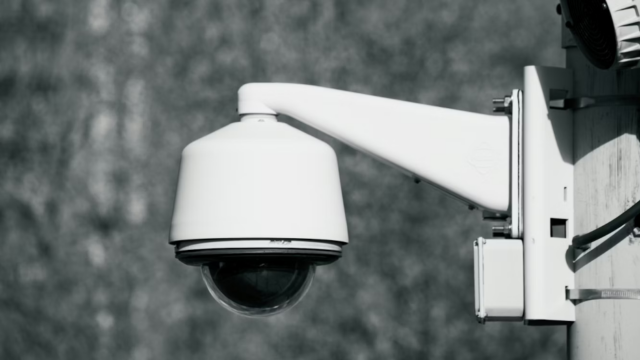
 Choosing a home security solution is no longer just about loud alarms or locking doors at night. Families today want protection that fits their lifestyle, responds quickly to emergencies, and offers peace of mind whether they are home or away. A well-planned approach that includes a monitoring system by Alarm Grid can help households stay protected without feeling overwhelmed by technology.
The right system balances safety, usability, and reliability while adapting to your home’s unique needs. Understanding what features matter most and how systems work together makes the decision easier. With the right guidance, families can invest confidently in protection that supports both everyday life and long-term security.
Understanding Your Family Safety Needs
Every household has different security priorities depending on size, routines, and layout. A family with young children may prioritize door sensors and fire alerts, while others may focus on perimeter protection and emergency response. Understanding daily habits helps narrow down which system features are truly essential.
Lifestyle factors also influence system design. Homes where everyone leaves during the day benefit from motion detection and real-time alerts, while remote work households may prefer discreet monitoring that runs quietly in the background. Choosing a system that matches your family’s lifestyle ensures better protection and fewer false alarms.
Choosing the Right Components for Your Home
A strong home security system relies on several interconnected components working together. Entry sensors, motion detectors, and environmental alerts provide coverage across key areas of the home. When properly placed, these tools create a layered defense that reduces vulnerability.
Equally important is compatibility between devices. A system that integrates smoothly avoids coverage gaps and reduces technical issues over time. Selecting components designed to work together helps create a reliable and user-friendly experience for the whole family.
The Role of Professional Monitoring
Monitoring plays a critical role in turning alerts into action. When a system is professionally monitored, trained responders assess signals and contact emergency services if needed. This added layer of oversight helps protect families even when they cannot respond on their own.
Professional monitoring also reduces response time during emergencies. Fires, medical events, and break-ins can escalate quickly, and automated alerts ensure help is dispatched without delay. For many families, this peace of mind is what transforms a basic alarm into a complete security solution.
Ease of Use and Accessibility
A home security system should be easy for every family member to use. Clear controls, intuitive apps, and simple arming options prevent confusion and increase daily use. Systems that feel complicated often get ignored, reducing their effectiveness.
Accessibility is especially important for busy households. Mobile access allows parents to check system status, receive alerts, and adjust settings remotely. A user-friendly system encourages consistent use and helps families stay connected to their home, wherever they are.
Budget and Long Term Value
Security systems vary widely in cost, but value matters more than price alone. Families should consider long-term reliability, monitoring quality, and system expandability rather than focusing only on upfront expenses. A flexible system allows upgrades as needs change.
Ongoing costs, such as monitoring plans, should align with the level of protection provided. Transparent pricing and contract-free options give families control without long-term commitment. Investing wisely ensures security remains sustainable over time.
Planning for Future Needs
Families grow and routines change, making flexibility essential. A good security system can expand with additional sensors, cameras, or automation features as needed. Planning ahead avoids the need for a complete system replacement later.
Future-ready systems also integrate with smart home technology. As homes become more connected, security should adapt alongside lighting, locks, and environmental controls. Choosing a system that supports growth helps protect both current and future lifestyles.
Choosing the right home security system is about understanding your family, your home, and the level of protection you want to maintain. By focusing on usability, monitoring support, and long-term value, families can create a security setup that works quietly and effectively every day.
A thoughtful approach ensures safety without complexity or stress. When protection fits naturally into daily life, families gain confidence knowing their home is secure, whether they are inside, at work, or away.