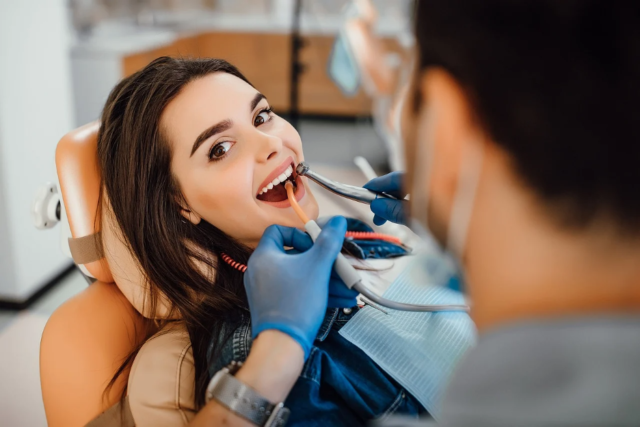
Choosing a cosmetic dental treatment can feel exciting, but it also comes with plenty of questions. Should you whiten your teeth, consider veneers, or fix small chips with bonding? You want results that look natural, fit your budget, and suit your lifestyle—not something you’ll end up second-guessing later. That’s especially true in Los Angeles, where cosmetic dentistry is widely available, and patients have a long list of treatment options to compare.
Taking the time to understand what each procedure offers, along with its benefits and limitations, can make the decision much easier. A little research upfront can help you set realistic expectations, avoid unnecessary stress, and choose a treatment that leaves you feeling confident every time you smile.
Why veneers appeal
A confident smile means something different to everyone. For some people, it’s about brightening stained teeth. For others, it’s fixing small imperfections that have been bothering them for years.
Cosmetic dentistry offers several ways to improve your smile, and the right option depends on your goals, your oral health, and the results you’re hoping to achieve. Among the many cosmetic treatments available, veneers remain one of the most popular choices because they can transform the appearance of several teeth at once while still looking natural.
If you’ve been looking into veneers in Los Angeles, you’ll find they’re a popular option for creating a polished, natural-looking smile. Veneers are designed to improve the parts of your smile that tend to stand out for the wrong reasons. Whether you’re bothered by deep stains that whitening can’t fix, small chips, uneven teeth, noticeable gaps, or years of everyday wear, veneers can create a more balanced, natural-looking smile without changing what makes it yours. Because each veneer is custom-made, the final result is tailored to fit your facial features and existing teeth.
Know your smile goals
Before you talk to a dentist, get clear on what actually bothers you. You don’t need fancy terms. You just need honesty. Maybe your teeth are healthy, but they look too short in photos. Maybe one front tooth is darker than the others. Maybe you have tiny chips that make your smile feel uneven.
Try to think in categories. Are you hoping to improve:
– color
– shape
– symmetry
– spacing
– overall brightness
It also helps to decide how dramatic or subtle you want the change to be. Some people want a very bright camera-ready smile. Others want a result that looks natural enough that friends notice you look great without knowing exactly why.
If possible, save a few photos of smiles you like. Not to copy someone else’s face, of course. That would be a plot twist. Just use them to show the general look you prefer.
Questions worth asking
A consultation should feel like a conversation, not a pop quiz where you forgot your pencil. Ask questions that help you understand both the result and the process. You want to know what’s realistic for your teeth, not just what sounds nice in theory.
Useful questions include:
– What concerns can veneers fix for me?
– How natural will they look?
– How many teeth should I treat?
– What material is being used?
– How long do veneers usually last?
– Will my teeth need preparation first?
– What kind of upkeep is involved?
It’s smart to ask about comfort and timing too. Find out how many visits may be needed and what recovery, if any, feels like afterward. Also ask to see before-and-after examples of similar cases. That can help you picture the result in a real-world way.
The goal is not to become a dental expert overnight. It’s simply to leave feeling informed, comfortable, and less likely to panic-scroll later.
Lifestyle matters too
Your everyday habits can shape how happy you’ll be with veneers over time. This part is easy to overlook because most people focus on the big reveal, not what happens during regular Tuesday life.
If you drink lots of coffee, tea, or red wine, ask how to keep your smile looking bright. If you grind your teeth at night, that’s important too. Grinding can put extra pressure on dental work, and a night guard may be recommended. Not glamorous, sure, but neither is damaging your new smile while you sleep.
Think about little habits as well. Biting nails, chewing ice, opening packages with your teeth, or crunching on pens can all be rough on them. Your teeth are helpful, but they are not scissors.
If you play contact sports, mention that. A mouthguard may be part of your long-term plan. The best cosmetic result is one that still looks good after real life gets involved.
Budget without stress
Cosmetic dental work is a personal investment, so it helps to plan without making yourself dizzy. Start by asking for a clear treatment plan with a full cost breakdown. You should know what is included, such as consultation, preparation, temporary work if needed, final placement, and follow-up care.
If the total feels high, don’t panic right away. First, ask whether the plan can be adjusted based on your biggest priorities. You may not need every change you imagined on day one. Sometimes focusing on the most visible teeth gives you a big improvement without stretching your budget too far.
It’s also wise to ask about payment options and timing. Understanding the schedule can make the decision feel much more manageable. You’re not being awkward by asking money questions. You’re being organized, and organized is attractive.
A calm budget plan helps you avoid rushed choices. That usually leads to a result you feel better about both emotionally and financially.
Keeping results looking good
Once you’ve made the investment, simple care goes a long way. The basics matter more than flashy tricks. Brush gently twice a day, floss daily, and keep up with regular dental visits. Clean habits are not exciting dinner conversation, but they do help protect a great smile.
You should also follow any specific aftercare advice you’re given. That might include wearing a night guard, avoiding certain habits, or coming in for routine check-ins. If something feels off, don’t ignore it and hope for the best. Teeth are not known for fixing themselves out of politeness.
Try to keep your expectations realistic too. Veneers can improve appearance in a big way, but they still need thoughtful care. Treat them like part of your normal routine, not like a fragile museum exhibit.
When you understand your goals, ask smart questions, and plan for daily life, the whole process feels much less intimidating. A confident smile starts with informed choices, and that’s always a good look.