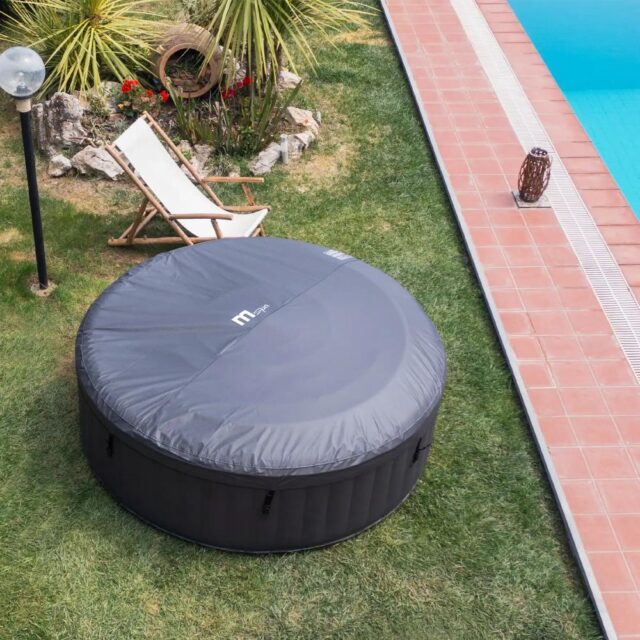
 A portable spa can add comfort to a patio, deck, or garden area without a major build. For first-time buyers, space matters as much as the spa features. Size, surface, power access, and daily use all affect the final choice. Let’s explore the main points that can help with a practical decision.
Start With the Space Available
Measure the area before any model is picked. An inflatable spa needs room for the tub, the pump, and safe access around it. A tight corner may look fine at first, but daily use can feel awkward. Extra space also helps with covers, steps, and basic upkeep.
The surface should be flat, firm, and strong enough for the filled weight. Water adds a lot of load, so soft ground may not be ideal. Concrete, pavers, or a strong deck can work well when checked first. This helps with safer use and a neater setup.
Think About How the Spa Will Be Used
A spa should fit naturally into the outdoor area while leaving enough room to move around comfortably. A well-planned layout can make the area feel more open and inviting. It also helps to think about who will use this setup the most. Some households may enjoy quiet evenings with one or two people, while others may host friends on weekends. Those habits can influence the amount of seating that makes sense.
Quick Size Checks Before Purchase
A few simple checks can make the choice easier. They also help avoid a setup that feels too large for the area. The aim is to leave enough room for safe access and relaxed use.
These points can guide the first point of analysis.
- Measure the full space before purchase
- Allow room for the pump and cover
- Check the filled weight for the surface
- Choose seats based on regular users
- Leave a safe space around each side
Look at the Jets, Heat, and Comfort
Jets can change how the spa feels. Air jets may help with light massage and general rest.
Hydro jets can feel stronger, based on the model. The best choice depends on comfort needs and budget.
Heat time should also be reviewed before purchase. Some models may take longer to reach a pleasant temperature. A cover may help reduce heat loss between uses. This can aid in better energy use and a steadier water feel.
Check Access to Power and Water
A spa needs safe power access near the selected spot. Extension leads are not always the best answer for outdoor use. It is better to check the power point position early. This may help avoid setup delays after delivery.
Water access also matters for fill and drain tasks. A hose should reach the spa without much effort. Drainage should be planned so that water does not flood the area. Good access makes routine use feel far less stressful.
Plan for Basic Upkeep
Every spa needs regular water checks. Filters, chemicals, and covers help keep the water pleasant. This does not have to feel hard when the routine is simple. The right accessories may help improve regular use.
Storage is another point to consider. Some spas may be packed away between seasons. Others may stay set up for several months. A clear plan for covers, filters, and small parts keeps the space tidy.
The best choice for an inflatable spa starts with the spot where the spa will sit. Once space, surface, size, power, and upkeep are clear, the options become easier to compare. A good fit should support comfort without making the area feel cramped or hard to manage. With a little thought before purchase, a portable spa can feel like a natural part of the outdoor space.