There’s something genuinely special about receiving a gift that someone made or personalized just for you. In a world of same-day delivery and generic wish lists, handmade and customized items stand out in a way that store-bought gifts rarely do. DIY engraving has become one of the most popular ways to add that personal touch — and the best part is that you don’t need to be an artist or have any prior experience to get started.
Why Personalized Gifts Hit Differently
Think about the last gift that genuinely surprised you. Chances are, it wasn’t the most expensive thing you received — it was the one that showed someone had actually thought about you. Personalized gifts do exactly that. A wooden cutting board with a family name engraved on it, a set of wine glasses etched with initials, or a keychain stamped with a meaningful date — these are items people keep for years, sometimes decades.
Engraving takes personalization a step further than a printed label or a handwritten card. It’s permanent, tactile, and it elevates everyday objects into keepsakes. That’s why engraving crafts have found such a loyal following among DIY enthusiasts — the results look polished and intentional, even when you’re just starting out.
Getting Started With an Engraving Pen
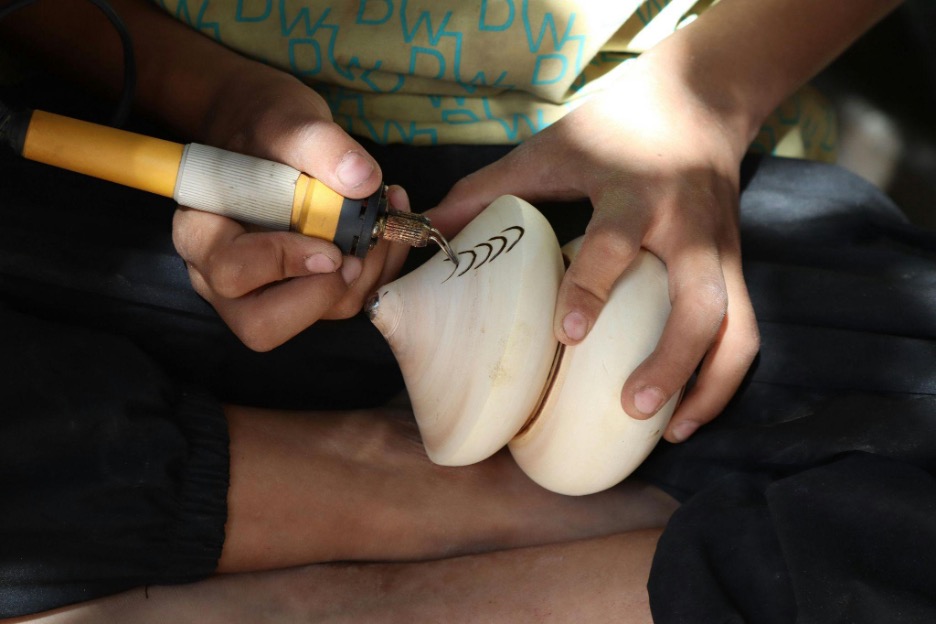
For anyone new to the craft, the engraving pen is the most accessible entry point. Unlike large rotary tools or laser engravers that require setup space and safety precautions, an engraving pen is handheld, lightweight, and easy to control. It works similarly to a regular pen — you guide it across a surface, and it etches as you go.
The learning curve is surprisingly gentle. Most beginners can produce clean, readable lettering within their first session. Starting with softer materials like wood or leather helps build confidence before moving on to glass or metal. Tracing a design in pencil first gives you a guide to follow, which takes a lot of the guesswork out of freehand work.
One brand that’s built a strong following in this space is Resparked. Their Customizer Engraving Pen, available at https://resparked.com/, is designed specifically with beginners in mind. It offers a practical starting point, with customer support and a money-back guarantee that removes the risk from trying something new.
DIY Engraving Project Ideas for Gift Giving
Now for the fun part — what can you actually make? Here are some project ideas that work well across skill levels:
- Personalized Kitchenware: A wooden cutting board engraved with a couple’s initials and wedding date is a classic wedding or anniversary gift. Add a recipe, a favorite quote, or a simple floral border for extra flair.
- Custom Drinkware: Engrave a set of pint glasses with a friend’s name and a witty phrase. For something more elegant, etched wine glasses with initials make a lovely hostess gift.
- Keepsake Jewelry Boxes: A small wooden or acrylic box engraved with someone’s name transforms an ordinary container into something worth keeping. These work beautifully as birthday or Christmas gifts.
- Personalized Stationery Accessories: Engrave a pen holder, a paperweight, or a leather desk pad for someone who works from home. It’s a practical gift with a personal touch.
- Kids’ items: Engraving a child’s name onto a wooden toy, a lunch box, or a pencil case is both practical and charming — and it’s the kind of thing parents genuinely appreciate.
- Seasonal ornaments: Wooden or acrylic Christmas ornaments engraved with names and years make lovely keepsakes that can be added to each year. They’re also quick to make in batches if you’re crafting gifts for multiple people.
Tips for Cleaner, More Confident Results
Even with a beginner-friendly tool, a few simple habits will make a noticeable difference in the quality of your work.
- Go slow. Rushing is the most common mistake beginners make. A steady, deliberate pace gives you more control and produces cleaner lines.
- Practice on scrap material first. Before engraving a gift, spend a few minutes on a spare piece of the same material. This helps you get a feel for the pressure and speed that works best.
- Use a light touch on glass. Glass is less forgiving than wood, so applying too much pressure can cause cracking or uneven lines. Let the tool do the work.
- Sketch your design first. Whether you’re doing freehand lettering or a simple illustration, a light pencil sketch gives you a guide to follow. Wipe it off once you’re done engraving.
- Secure your workpiece. A piece that moves while you’re working leads to wobbly lines. Use a non-slip mat or light clamps to hold things steady.
Making It a Habit, Not Just a One-Off Project
One of the most rewarding things about learning to engrave is that it compounds over time. The more you practice, the more confident your lines become, and the more ambitious your projects get. Many people who pick up an engraving pen for a single gift idea end up building an entire creative practice around it — personalizing their own belongings, making gifts for every occasion, or even selling custom pieces.
If you’ve been looking for a creative hobby that produces tangible, useful results, engraving is one of the most satisfying options available. The tools are affordable, the materials are easy to source, and the finished products are things people genuinely use and treasure. Start with one small project, give it as a gift, and see what happens.