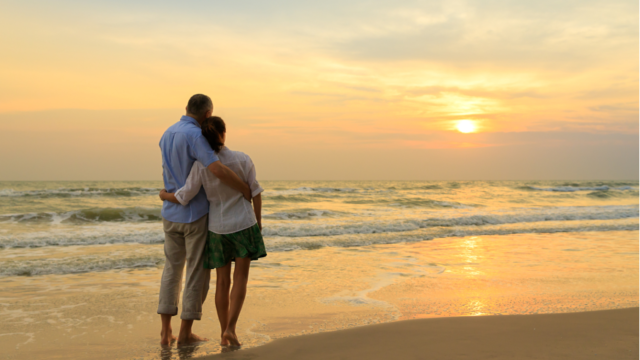
A quiet couple’s beach retreat is not only about finding a beautiful shoreline. The best destinations combine calm surroundings, thoughtful accommodation, manageable access, and enough low-key activities to make each day feel relaxed without becoming empty. For many couples, the right beach is not the busiest or most famous one. It is the place where mornings start slowly, meals are easy, and privacy feels natural.
Some destinations are known for private-island resorts and lagoon views, while others are simple coastal towns with boutique stays and fewer crowds, such as Whangamata in New Zealand’s Coromandel region. The right choice depends on budget, travel time, comfort level, and how much structure a couple wants.
Top 5 Factors to Consider When Choosing a Quiet Beach Retreat
- Crowd levels
Smaller islands, protected coves, and coastal villages often work better than major resort strips. - Accommodation style
Boutique hotels, villas, guesthouses, and small lodges usually create a calmer setting than large resorts. - Water conditions
Calm, swimmable water matters. Lagoons, bays, and sheltered beaches are often better than rough open-coast locations. - Low-key activities
A strong retreat does not need packed itineraries. Snorkeling, short hikes, kayaking, spa treatments, local food, sunset walks, or quiet evenings learning guitar with chord Songs and simple chord charts are usually enough. - Season and access
Even peaceful places can feel busy in peak season. Weather, transfer length, and ferry schedules should be checked before booking.
Long-Haul Retreats for Privacy and Stillness
The Maldives remains one of the clearest examples of a quiet couple beach retreat because many resorts are built around privacy. A couple staying in an overwater villa can spend most of the day moving between the deck, shallow water, and quiet dining areas without needing a busy schedule. This works well for travelers who prefer rest, reading, swimming, and slow meals over nightlife.
Bora Bora offers a similar style but with a more dramatic mountain and lagoon setting. It suits couples who want scenic views, calm water, and a polished resort experience. The practical appeal is simple: fewer distractions, gentle water activities, and a setting where most of the day revolves around the lagoon.
The Seychelles is another strong option, especially for couples who prefer smaller guesthouses or quieter island stays. Beaches on La Digue can feel scenic without heavy development. The granite rocks, clear water, and relaxed pace make the destination distinctive while still giving travelers access to local food and simple transport.
Quieter Coastal Areas with More Convenience
Not every couple wants a remote island. Some prefer calm beaches with restaurants, shops, and day trips nearby. Destinations such as Eagle Beach in Aruba, quieter areas of Mexico, and smaller Greek coastal villages can offer a balance between comfort and calm.
For example, a couple might choose a small hotel near a wide beach in Aruba because they want easy dining and reliable infrastructure, but not a loud party setting. Another couple might choose a coastal village in Greece, enjoying the beach early before day visitors arrive, then spending the afternoon at a small café or taking a short boat trip.
This type of retreat is practical for couples who want quiet days but still value convenience. It also helps when one person wants more activity and the other prefers rest, or when travelers want to keep routines simple with planning tools such as a TDEE Calculator for daily calorie needs and fitness balance while away.
Ultra-Secluded Beaches for Couples Who Prefer Simplicity
Some beach retreats are designed for couples who want very little around them. These may include small islands in Southeast Asia, remote Pacific beaches, or limited-capacity coastal lodges. The appeal is not always luxury. Sometimes it is simply the lack of noise, traffic, and heavy development.
This option is best for couples who are comfortable with simpler services, longer transfers, and fewer dining choices. A typical day may involve snorkeling, resting in the shade, taking a short walk, and watching the sunset. Still, remote does not always mean effortless. Medical access, weather interruptions, and limited transport should be considered.
The best quiet beach destination for a couple depends on the kind of peace they want. The Maldives, Bora Bora, and the Seychelles suit couples looking for privacy, calm water, and a resort-centered stay. Smaller Caribbean, Mediterranean, and Southeast Asian beaches can offer a quieter balance of comfort and discovery. Whangamata adds a more understated coastal option for those including New Zealand in their plans.
A strong retreat should feel calm, practical, and suited to the couple’s real travel style. When the destination, accommodation, season, and daily rhythm all match, the result is a beach trip that feels restful without needing to be remote for the sake of it.