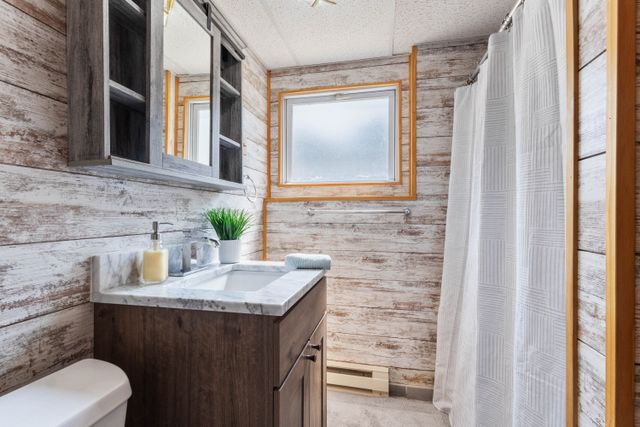
Bathrooms do a lot of heavy lifting for such small rooms. You use yours when you’re half awake, in a hurry, or trying to enjoy ten peaceful minutes before the day gets noisy. That’s why a bathroom update should make life easier, not turn into a giant headache. If you’re thinking about freshening up the space, it helps to focus on comfort, function, and a few style choices that won’t feel dated by next Tuesday.
Plan with purpose
Before you pick tile colors or start dreaming about fancy faucets, take a good look at what isn’t working now. Maybe your bathroom feels cramped. Maybe the storage is a joke. Maybe the lighting makes you look like a tired ghost. Start by writing down the top three problems you want to solve.
Once you know your priorities, the whole project gets easier. You can compare ideas, prices, and even professional bathroom remodeling options based on what actually matters in your home. That keeps you from spending money on things that look nice but don’t fix your daily annoyances.
Try to think in routines, not just design. Where do you set your toothbrush? Is there enough room to open drawers? Can two people use the space without doing an awkward hallway dance? A bathroom that works well on a regular Tuesday is better than one that only looks good in photos.
Set a real budget
A smart bathroom budget needs a little honesty. It’s easy to fall for the pretty stuff first, but the big wins usually come from good planning. Break your spending into three groups: must-haves, nice extras, and surprise costs. That last one matters more than people think.
Must-haves are things like fixing leaks, replacing damaged flooring, improving ventilation, or updating a vanity that’s seen better decades. Nice extras might be a heated mirror, upgraded hardware, or a more stylish light fixture. Surprise costs are the sneaky little goblins of home projects. They show up behind walls and under old flooring.
A good rule is to keep a little cushion in the budget, often around 10 to 15 percent. That doesn’t mean you’re expecting disaster. It just means you’re being realistic. If nothing unexpected happens, great. You can use that money for finishing touches instead of stress snacks and emergency hardware store runs.
Choose durable surfaces
A bathroom looks better longer when you choose materials that can handle steam, splashes, and everyday mess. Pretty matters, sure, but easy to clean matters too. If you’ve ever scrubbed mystery grime out of tiny grout lines, you already know this truth in your soul.
For flooring, porcelain tile is a reliable favorite because it handles moisture well and comes in lots of styles. Luxury vinyl can also be a solid option if you want something softer underfoot and usually easier on the budget. For counters, quartz is popular because it’s durable and low maintenance.
Wall finishes matter too. In wet areas, choose surfaces that don’t mind regular water exposure. Fixtures should also be practical, not just shiny. Fingerprint-resistant finishes and simple shapes can make cleaning less annoying.
Think about your real life. If kids use the bathroom, or if mornings are rushed, choose surfaces that forgive a little chaos. The best material isn’t always the fanciest one. It’s the one that still looks good after toothpaste splatter and a hundred busy mornings.
Fix the lighting
Bad bathroom lighting can make a nice space feel gloomy and awkward. One bright ceiling light in the middle of the room usually isn’t enough. Bathrooms work better when lighting comes in layers, with each type doing a different job.
Task lighting near the mirror is the real hero. It helps when you shave, do skincare, or try to put on eyeliner without looking like you’re drawing in a moving car. Lights on both sides of the mirror often work better than one light above it because they reduce harsh shadows.
Ambient lighting fills the room and makes it feel welcoming. If you have space and budget, a dimmer can be a great upgrade. It lets you have bright light for busy mornings and softer light for evening wind-down time. That’s a tiny luxury that feels bigger than it sounds.
Natural light is a bonus, but privacy still matters. Frosted windows or simple window treatments can give you both. A bathroom should help you wake up, calm down, and find the toothpaste cap. Lighting does a surprising amount of that work.
Add smarter storage
A bathroom gets messy fast when everything lives on the counter. Smarter storage doesn’t mean you need a giant room. It just means making better use of the space you already have. Even small changes can help your bathroom feel calmer and easier to clean.
Drawer organizers are simple but effective. They stop little things from becoming one mysterious tangled pile. Vanities with drawers are often more useful than ones with a big empty cabinet underneath. Drawers help you see what you have instead of making you crouch and rummage like a raccoon.
Recessed shelves in the shower can save space and look cleaner than hanging caddies. Medicine cabinets with storage behind the mirror are another practical upgrade. If floor space is tight, use vertical space with narrow shelves or wall hooks for towels and robes.
The goal is not to hide every single thing. It’s to give everyday items a home. When storage makes sense, your routine feels smoother. You spend less time hunting for nail clippers and more time getting on with your day.
Think about daily comfort
The best bathroom updates often aren’t flashy. They’re the ones that quietly make your day better. Good ventilation is one of those upgrades. A proper fan helps control moisture, reduces mildew, and keeps the room from feeling like a tropical greenhouse after every shower.
Layout matters too. If the door hits the vanity, or the toilet is squeezed into a weird corner, those frustrations add up. Even a small shift in placement can improve the room a lot. Comfort also includes things like faucet height, shower storage, and how easy the room is to move around in.
If you plan to stay in your home for years, think ahead. Features like a walk-in shower, grab bars that blend into the design, or a comfort-height toilet can make the space easier for everyone to use. That’s not boring planning. That’s smart living.
Don’t forget water pressure and easy-clean fixtures. They aren’t glamorous, but they change how the room feels every day. A bathroom should support your routine, not test your patience before coffee.
Finish with personality
Once the practical pieces are in place, you can have fun with the details. This is where your bathroom starts feeling less like a plain utility room and more like part of your home. You don’t need a massive budget to give it warmth and character.
Color can do a lot. Soft neutrals feel calm, while deeper shades can add drama in a small space without overwhelming it. Towels, bath mats, and a shower curtain can bring in texture and make the room feel more inviting. Hardware is another small change with big impact. Swapping handles or towel bars can freshen the whole look.
A framed mirror, a plant that likes humidity, or a simple piece of art can make the room feel finished. Just don’t overdo it. Bathrooms are better when they have a little breathing room.
The sweet spot is a space that looks nice and works hard. When your bathroom feels comfortable, organized, and a little more you, even ordinary routines get an upgrade. Not bad for one room with so many towels.