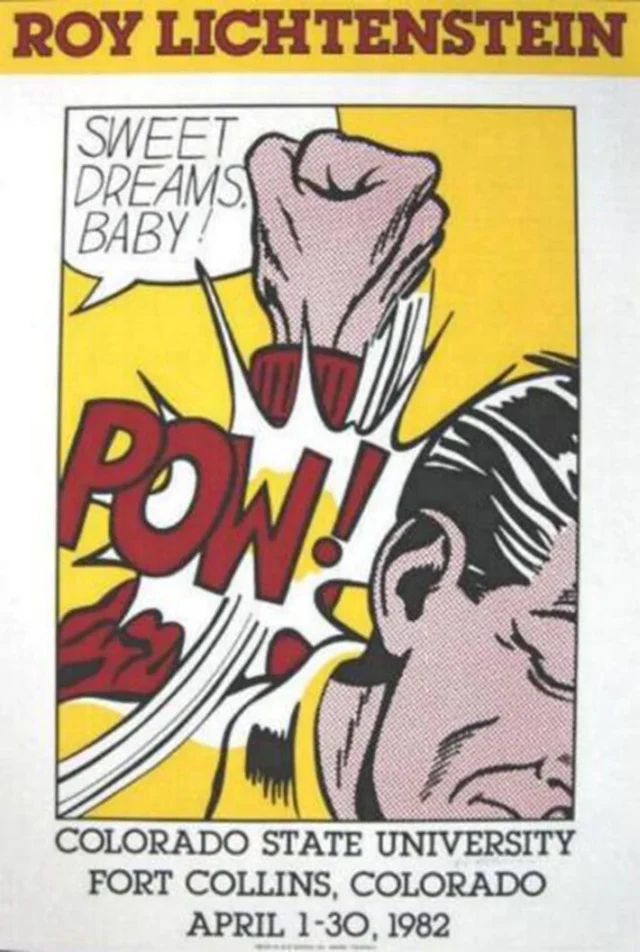
Comic-inspired Pop Art can add bold color, sharp humor, and visual energy to a personal art collection. Speech bubbles, halftone dots, dramatic facial expressions, and strong outlines give these works an immediate presence. New collectors can enjoy the style without extensive knowledge of art history or complex market trends.
Famous Roy Lichtenstein paintings offer a useful example of how comic imagery can become respected fine art. His work shows how simple panels, limited colors, and printed textures can carry emotion, irony, and cultural meaning. This guide explains how to assess style, editions, condition, documentation, price, and display needs before a first purchase.
Learn the Visual Language
Comic-inspired Pop Art borrows familiar features from advertisements, newspaper strips, pulp illustrations, and commercial print methods. Artists may enlarge a single face, isolate a dramatic scene, or combine text with vivid primary colors. These choices transform ordinary popular imagery into art that feels direct, playful, and thought-provoking.
A beginner should spend time with several artists before selecting a favorite direction. Some works feature polished compositions and clean dots, while others use rough lines, collage elements, or street-art influences. This wider view helps reveal which subjects, palettes, and moods deserve space in a long-term collection.
Key Features to Notice
- Heavy black outlines that define figures and objects
- Ben-Day dots or similar patterns that imitate mass print effects
- Short captions, speech bubbles, or sound effects
- Flat areas of red, yellow, blue, black, and white
- Cropped scenes that suggest a larger story
Choose an Art Format That Fits
Comic-inspired art appears as original works, limited-edition prints, screenprints, lithographs, posters, and invitation cards. Each format offers a different balance of rarity, price, craftsmanship, and historical relevance. A signed edition may suit a collector who values direct artist association, while an exhibition poster can provide an accessible entry point.
Print methods also affect surface texture and color quality. Screenprints may have rich blocks of pigment, while offset posters can show the crisp finish associated with commercial graphics. Product descriptions should clearly identify the medium, dimensions, edition details, signature status, and publication history.
Useful Questions Before Purchase
- Is the piece signed, numbered, or part of an open edition?
- Does the description identify the printer or publisher?
- Are dimensions listed for the sheet and image area?
- Has the artwork received any repairs or restoration?
- Does the sale include a certificate or other records?
Build a Collection With a Clear Point of View
A strong collection can develop around a shared theme, visual device, time period, or print process. Possible directions include comic heroines, dramatic close-ups, consumer symbols, urban culture, political graphics, or bold text. Such focus creates unity without requiring every piece to come from the same artist.
Collectors drawn to Roy Lichtenstein paintings or other similar artworks can also explore works that reinterpret comic panels, advertising symbols, celebrity imagery, and urban graphics. Such comparisons reveal how different artists use familiar visual language to express humor, criticism, nostalgia, or cultural commentary. Careful selection helps each purchase introduce a fresh perspective while preserving a clear connection across the collection.
A first comic-inspired Pop Art purchase should combine personal appeal with clear information about its origin, format, and condition. Time spent on print methods, edition terms, documentation, and display needs can prevent avoidable mistakes. A sensible budget also leaves room for proper frames and long-term care. The best collections develop through patience, curiosity, and a consistent visual preference. Each new piece should add character, context, or a fresh viewpoint to the group. A well-chosen artwork can remain engaging long after its vivid colors first attract attention.