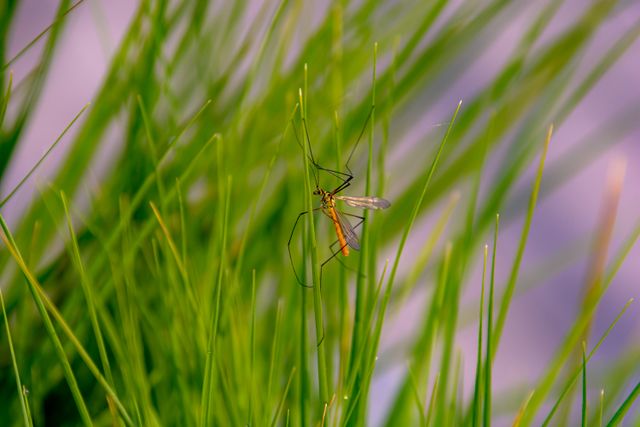
Source: Pexels
If you live around St. Louis, you already know summer can feel like a full-contact sport. Warm evenings, backyard dinners, and time on the patio are great until mosquitoes show up like uninvited party crashers. Between humid weather, steady rainfall, and plenty of shaded yards, the region gives these pests exactly what they want. You can still enjoy your outdoor space, but you’ll need a smart plan that fits how mosquitoes actually behave.
When professional treatment makes more sense
If you’ve cleaned up standing water and still feel surrounded, professional treatment may be the practical next move. A trained technician can identify breeding sites and resting areas you might miss, then apply targeted products where they have the most impact.
For homeowners dealing with persistent seasonal activity, mosquito control in St. Louis can be a useful option because it’s designed for local pest pressure and outdoor conditions. The goal isn’t just knocking down the mosquitoes buzzing around tonight. It’s reducing the overall population and interrupting the cycle.
Professional plans often work well before events too. If you’re hosting a graduation party, family barbecue, or outdoor birthday, timing treatment ahead of the gathering can make the space far more usable. Sometimes the most luxurious backyard upgrade isn’t furniture. It’s being able to sit still for ten minutes.
The health and comfort issues you shouldn’t ignore
A mosquito bite isn’t always just a minor itch. Some people get large, swollen reactions that stick around for days. Kids often scratch bites until they become irritated or infected, which turns a small nuisance into a bigger problem.
There’s also a public health angle. Mosquitoes can carry diseases such as West Nile virus, and local health departments across the United States track mosquito activity for that reason. Most bites won’t lead to serious illness, but reducing exposure still matters, especially if you spend a lot of time outdoors.
Comfort counts too. When mosquitoes take over, you stop using your yard the way you planned. Cookouts get cut short. Gardening becomes a slap-and-scratch routine. Even walking the dog can turn into a speed event. Pest control often starts with health concerns, but quality of life is usually what pushes people to act.
The yard changes that make the biggest difference
You don’t need to redesign your whole property. Start with water management. Empty containers after rain, clean gutters, refresh pet bowls often, and change birdbath water at least twice a week. If you have drainage issues, address those quickly because soggy areas can stay productive for mosquitoes.
Next, trim back overgrown plants and reduce dense ground cover near patios and doors. Adult mosquitoes rest in cool, shaded vegetation during the day, so thick landscaping can act like a daytime hideout. You’re not trying to make your yard barren, just less welcoming.
A few practical upgrades can help:
– Use fans on patios since mosquitoes are weak fliers
– Repair torn window and door screens
– Store buckets and toys upside down
– Keep grass cut short around gathering areas
– Check tarps for pooled water after storms
Small fixes add up fast when you stay consistent.
What repellents and DIY methods can realistically do
Repellents work best when you use them correctly. Products with DEET, picaridin, or oil of lemon eucalyptus can help reduce bites, especially during evening activities. If you’re outside for hours, reapplication matters. One quick spray at 5 p.m. won’t carry magical powers until midnight.
Citronella candles and decorative torches can offer limited help in small, calm areas, but they won’t solve a yard-wide infestation. The same goes for many trendy DIY hacks online. Coffee grounds, dryer sheets, and ultrasonic gadgets get plenty of hype, yet results are usually weak or inconsistent.
You can also use mosquito dunks or larvicides in places where water collects and can’t be drained, such as rain barrels. Those products target larvae before they develop into biting adults. Think of them as prevention tools, not a total strategy. DIY efforts can reduce pressure, but heavy mosquito activity often calls for something more structured.
How to choose a smart mosquito control plan
The best mosquito control plan fits your property, schedule, and tolerance for maintenance. Some homeowners want a seasonal service schedule with routine treatments. Others prefer a one-time application before special events. Neither approach is automatically better; it depends on how often you use your yard and how severe the activity gets.
When comparing options, look for:
– Clear explanations of what areas will be treated
– Guidance on reducing breeding sites between visits
– Service timing that matches mosquito season
– Experience with both mosquitoes and ticks when relevant
– Straightforward safety instructions for pets and family use
You should also pay attention to follow-through. Good control is usually a system, not a one-and-done miracle. If a company talks about inspection, habitat reduction, and treatment together, that’s generally a stronger sign than flashy promises alone.
How to keep results going through the season
Once mosquito numbers drop, your job shifts to maintenance. After storms, do a quick yard scan for standing water. During hot weeks, keep an eye on shaded spots, planters, and drainage areas. If you travel, ask someone to check your property because one neglected week in peak season can give mosquitoes a fresh start.
It also helps to coordinate your habits with mosquito behavior. If you’re planning outdoor time at dusk, wear lightweight long sleeves, use repellent, and run a fan near seating areas. Place chairs away from heavy vegetation when possible. Little adjustments can stretch the benefits of treatment.
A mosquito-free yard may not be realistic 100 percent of the time. A yard where you can relax, grill, garden, and let your guests stay outside without constant swatting is very realistic. That’s the real win: getting your outdoor space back and making it usable again, even in the thick of a St. Louis summer.