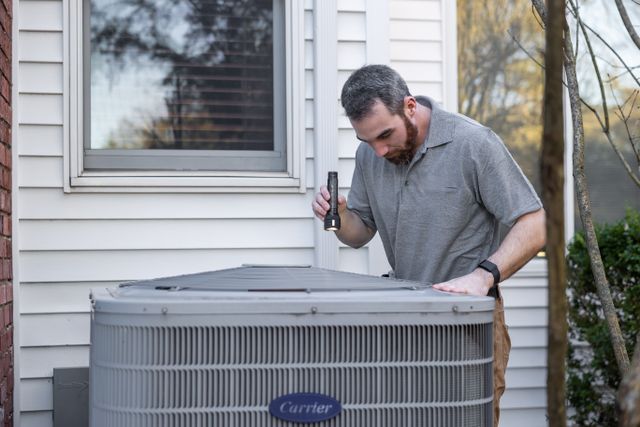
A comfortable home depends on systems that work quietly in the background until something starts to go wrong. Small changes in airflow, temperature, noise, or energy use can be easy to ignore at first, but they often signal a problem worth catching early. In Keystone, Florida, where hot and humid conditions can keep air conditioners working hard for much of the year, those warning signs matter even more. Paying attention early can help you avoid larger repair bills, unexpected breakdowns, and the kind of indoor discomfort that quickly becomes impossible to ignore.
Weak Airflow Usually Means Something Bigger Is Brewing
When your AC is running, but the airflow feels weak, don’t shrug it off as a minor annoyance. Low airflow often points to clogged filters, duct issues, blower motor trouble, or a compressor problem. In plain terms, the system is trying, but it’s struggling.
You might notice one room feels cool while another stays warm, or the vents barely seem awake. That uneven performance matters. It can push your unit to work harder, which raises energy use and wear.
If changing the filter doesn’t fix it, you’re likely past DIY territory. A technician who handles AC repair in Keystone can inspect the system and catch the actual cause before your AC turns into an expensive noisemaker.
Warm Air Coming Out of Vents Is Never a Good Sign
If your thermostat is set to cool and the vents are blowing warm or room-temperature air, something is off. It could be a refrigerant issue, a thermostat malfunction, electrical trouble, or a problem with the outdoor unit.
Start with the obvious checks. Make sure the thermostat is on the correct setting, and the temperature is lower than the current room temp. If all of that looks right and the air still feels warm, the unit needs attention.
This issue can sneak up on you. At first, the house may cool eventually, just much slower than usual. Then one day, it stops cooling at all. That pattern is common, especially in hot climates where AC systems are under constant pressure. Delaying service often means a small repair grows into a larger one.
Strange Noises Mean Your System Wants Attention
Air conditioners aren’t silent, but they should sound familiar. A low hum or steady airflow is normal. Banging, screeching, rattling, buzzing, or grinding is not. Those sounds usually signal a part that’s loose, broken, worn out, or on its way out.
A rattling noise might be as simple as debris in the unit. A grinding sound can suggest motor bearing problems. Buzzing may point to electrical issues, which is not the sort of surprise you want during a hot week.
The key is change. If your AC suddenly sounds different than it did last month, pay attention. Mechanical systems rarely get louder for fun. They’re usually sending up a flare before a breakdown. Catching those sounds early can mean replacing one part instead of dealing with damage across the system.
Moisture, Leaks, and Musty Smells Shouldn’t Be Ignored
Any moisture around your air conditioner deserves a closer look. Some condensation is normal, but puddles, active leaking, or excessive dampness are not. You could be dealing with a blocked condensate drain or a refrigerant leak.
A clogged drain line can lead to water damage, mold growth, and that stale smell that makes your home feel less clean, even right after you’ve cleaned it. Refrigerant leaks are more serious and require professional handling.
Musty odors coming through vents can also point to microbial growth in the unit or ductwork. If the smell is burning or sharp, turn the system off and get it checked quickly. Your AC should make your air feel better, not like a suspicious basement with central cooling.
Higher Energy Bills Can Be a Quiet Warning Sign
Sometimes your AC doesn’t fail dramatically. It just gets inefficient. You may not hear odd noises or feel warm air, but your monthly utility bill starts climbing for no clear reason. That jump often signals your system is working harder to produce the same results.
Dirty coils, refrigerant problems, failing parts, airflow restrictions, and thermostat issues can all drag down efficiency. Even an older unit that still cools the house may be doing it in the least efficient way possible.
Compare your recent bills with the same months from last year. If usage habits haven’t changed much but costs have, your AC may be losing performance. Routine maintenance helps prevent this, but once the bill spike appears, an inspection can help pinpoint what’s draining your budget.
Short Cycling Puts Extra Stress on the Entire System
Short cycling happens when your air conditioner turns on and off too frequently without completing a full cooling cycle. Instead of cooling steadily, it keeps stopping and restarting like it can’t commit. That stop-start pattern increases wear on critical components.
You might notice the house feels a little cool, then quickly warm again. The temperature swings can get annoying fast. Common causes include an oversized unit, thermostat placement problems, dirty filters, refrigerant issues, or electrical faults.
This matters because startup is one of the most energy-intensive parts of AC operation. Frequent cycling means more strain and less efficiency. If your unit is constantly kicking on for brief bursts, don’t wait for a complete shutdown. That pattern often shortens the lifespan of the system if it goes unchecked.
Your Thermostat Can Be Part of the Problem
When people think of AC trouble, they often focus on the unit itself and forget the thermostat. But if the thermostat is inaccurate, poorly calibrated, or malfunctioning, your whole cooling system can behave oddly.
Maybe the house feels warmer than the number on the screen suggests. Maybe the AC won’t turn on when it should, or it keeps running longer than necessary. In some homes, direct sunlight or poor thermostat placement can also skew readings.
The U.S. Department of Energy explains that thermostat settings and placement can affect both comfort and energy use, especially when the device is exposed to direct sunlight, drafts, or other conditions that interfere with accurate temperature readings.
If you have an older manual thermostat, upgrading to a programmable or smart model may improve comfort and efficiency. ENERGY STAR also offers guidance on smart thermostats, including features that can help households manage heating and cooling more efficiently.
Still, replacement isn’t always the answer. A professional can test whether the problem is the control system, wiring, or the AC equipment itself. It’s a small device with a surprisingly large amount of power over your comfort.
When to Call a Pro Instead of Troubleshooting More
A few basic checks make sense. Replace the filter, confirm the thermostat settings, and make sure the outdoor unit isn’t blocked by debris. Beyond that, repeated troubleshooting can waste time while the issue worsens.
Call a professional if your AC blows warm air, leaks, makes unusual sounds, short cycles, or struggles to keep up with normal cooling demands. Also make the call if the same issue keeps returning. Recurring problems often point to a deeper mechanical or electrical fault.
The bigger picture is simple: early repairs usually cost less and cause less disruption. You protect your comfort, your energy budget, and the lifespan of your system. In a place like Keystone, where AC is less a luxury and more survival gear, staying ahead of repair needs is just smart home management.