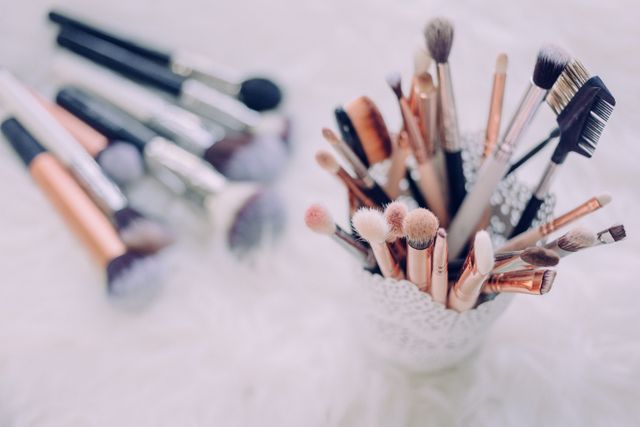
 Makeup tools can become such a familiar part of your routine that it is easy to overlook how much wear they have picked up over time. You may still reach for the same brushes every morning, even when the bristles no longer feel as soft or work as smoothly as they once did. Choosing the right makeup artist brushes can make a noticeable difference in how evenly products apply, blend, and settle on the skin. As brushes become worn, their condition can quietly affect everything from product placement to the final finish. Knowing when your tools need a little extra care or a replacement can help keep your makeup routine looking fresh and effortless.
How Worn Brushes Can Change Makeup Application
Worn brushes can make even a simple makeup routine feel more difficult because the bristles may no longer pick up and distribute product evenly. You might notice streaky foundation, patchy blush, or uneven bronzer that takes extra blending to look right. When a brush loses its shape or softness, replacing it can help make application smoother and more consistent.
Why Brush Shape and Bristle Condition Matter
A brush’s shape and bristle condition play a big role in how easily you can control and blend makeup. When bristles become frayed, stiff, flattened, or uneven, they may not distribute product as smoothly as they should. A brush that still holds its intended shape and feels soft against the skin can make application more precise and comfortable.
The Impact on Makeup Blending
Worn brushes can make blending feel more like a chore because damaged or uneven bristles may drag across the skin instead of moving product smoothly. This can leave noticeable edges, streaks, or areas with too much makeup that require extra work to soften. A brush in good condition helps distribute product more evenly, making it easier to create a natural and seamless finish.
How Old Beauty Tools Can Affect Product Use
Old beauty tools may not pick up or release makeup as evenly as they once did, which can make it harder to control how much product you apply. You may find yourself dipping into your makeup repeatedly or adding more than necessary just to achieve the coverage or color you want. This can waste product and make your finished look heavier or less even than intended.
Hygiene and Everyday Beauty Tools
Beauty tools, mainly makeup applicators, can be a haven for germs if not cleaned daily, as makeup and skin oils easily stick to them and cause a build-up. Proper brushing can help extend the life of your tools and also avoid transfer of residual product to your next face. If your brush no longer responds to normal cleaning, if it starts smelling off, or if the bristles are no longer firm, it is time to get yourself a new one.
Signs It Is Time to Replace a Makeup Brush
Knowing when a makeup brush has reached the end of its useful life can save you time and help you get better results from your routine. Look for changes in the brush itself and in how it performs during application.
Frayed or Shedding Bristles
If bristles are constantly falling out or becoming visibly frayed, the brush may no longer apply makeup evenly. While occasional shedding can happen, ongoing damage is a good reason to consider a replacement.
Changed Brush Shape
A brush that stays flattened, bent, or misshapen after cleaning may have lost the structure that made it useful. This can make controlled application and blending more difficult, especially when working around smaller areas of the face.
Rough or Stiff Bristles
Bristles that no longer feel soft against the skin can make makeup application uncomfortable. Even well-made professional makeup brushes will eventually show signs of wear if they are used and cleaned frequently.
Persistent Product Buildup
If the makeup still gets trapped in the brush filaments even after a detailed cleansing process, it is a sign that the brush might be getting more difficult to properly care for. The reason is the accumulation of product particles that keep clinging to the bristles can also be a big reason why the brush doesn’t effectively pick up new product and evenly spread it when you brush your skin with it.
Poorer Makeup Performance
Sometimes the clearest sign is simply that the brush does not work as well as it used to. If you are repeatedly blending, adding product, or adjusting your application to compensate, replacing the brush may make your routine much easier.
Simple Habits That Help Brushes Last Longer
Taking a few simple steps after each use can help keep your makeup brushes in better condition for longer. These habits do not have to take much time, but they can make a noticeable difference in how your brushes feel and perform.
Clean Brushes Regularly
Sometimes the bristles of the brushes get stuck with the residue left by your makeup, oils, and any other stuff. Frequent cleaning does a great job of eliminating all the residue and keeping the brushes as clean as they possibly could be. Not only that, regular cleaning and a routine of keeping brushes clean will help maintain the softness of the brushes and their smooth performance while being used on the skin.
Use a Gentle Cleaning Method
Don’t scrub the brush bristles too hard, because rough treatment can make the bristles fray or lose their shape. A mild cleansing soap and light scrubbing can remove the dirt without placing extra stress on the bristles.
Dry Brushes Properly
Clean and reshape the tufts, and set the brushes aside to dry without any cover. Do not keep a clean brush somewhere wet; the presence of moisture will not help it smell better.
Store Them with Care
Keep brushes in a clean, dry area where the bristles will not get crushed or bent by other beauty products. Giving each brush enough space can help it retain its original shape and make it easier to grab when you are getting ready.
Handle Brushes Gently
Pulling, twisting, or pressing too hard on the bristles can shorten the life of a brush over time. Treating your tools with a little care can help preserve their shape, softness, and overall performance.
Worn beauty tools can quietly make makeup application harder, from uneven coverage to more difficult blending and wasted product. Paying attention to brush condition, cleaning regularly, and replacing tools when they stop performing well can help keep your routine simple and consistent. Whether you are refreshing your everyday kit or choosing makeup artist brushes, well-maintained tools can make a noticeable difference in the finished look.