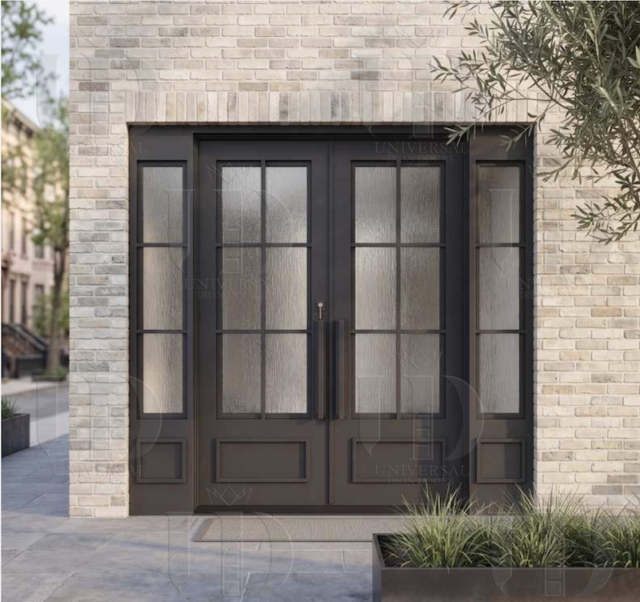
The right swing direction helps homeowners create a doorway that feels comfortable, functional, and well-integrated with their living space. A suitable opening style improves movement around the entrance while allowing the door design to complement the surrounding layout. Careful planning helps avoid conflicts with furniture, walls, and other nearby features.
Steel French doors require attention to several details before selecting the opening direction. The active panel, handing, and available clearance all influence how the door performs in daily use. This guide explains the important factors homeowners should consider when choosing the correct swing direction for their home.
Compare Inswing and Outswing Options Based on Space Needs
The choice between inswing and outswing doors depends on the available area, interior arrangement, and exterior conditions. Homeowners should review how each option affects the room layout and the way people move through the entrance before making a decision.
Advantages of an Inswing Door Setup
An inswing design opens toward the interior and helps shield exterior hardware from direct exposure to outdoor conditions. This option works well for spaces that have enough indoor clearance for the panels to move freely without affecting furniture placement. Homeowners should measure the interior area carefully to ensure the panels can open properly. A suitable layout allows the entrance to remain practical while maintaining a clean appearance.
Factors to Consider With an Outswing Door Setup
An outswing design opens toward the exterior and helps preserve indoor floor space for furniture and movement. This option can be useful for rooms where interior clearance is limited. However, exterior hardware may receive more exposure to rain, wind, and outdoor elements. In storm-prone regions, homeowners should also review local building requirements because some areas may require specific exterior door swing directions.
Select the Active Panel for Easier Daily Access
The active panel is the door leaf that includes the primary lockset and opens first. Choosing the correct side helps create a more natural entry point based on how people move through the home. Homeowners should consider nearby hallways, rooms, and outdoor paths before deciding the active side. The right placement prevents unnecessary movement around the doorway and helps maintain a clear traffic route.
Determine Door Handing Before Final Installation
Door handing identifies whether the active panel operates as a left-hand or right-hand opening. Selecting the correct handing ensures the door configuration matches the intended placement and installation requirements.
Homeowners can determine the proper handing by following these steps:
- Stand on the exterior side of the doorway.
- Look at the hinge position on the frame.
- Place your back against the hinge jamb.
- Identify the direction where the active panel opens.
This process helps confirm the correct configuration before installation. Accurate handing allows the lockset, panels, and frame components to function as intended.
Review Clearance Around Walls and Room Features
The surrounding area plays an important role in determining the best swing direction. Heavy door panels require enough space to open without contacting walls, light switches, trim, or nearby furniture. Homeowners should also consider the required opening range. A 180-degree swing may need additional clearance to prevent blocked walkways or unwanted contact with surrounding surfaces. Planning these details helps create a safer and more convenient doorway experience.
Selecting the right swing direction becomes easier when homeowners work with a knowledgeable supplier or manufacturer. Experienced professionals can help review measurements, available configurations, and installation requirements to match steel French doors with the home’s design. A carefully selected provider helps ensure the chosen entrance solution fits the property’s functional needs and architectural style. With proper guidance and quality craftsmanship, homeowners can create a refined connection between spaces while supporting long-term usability.