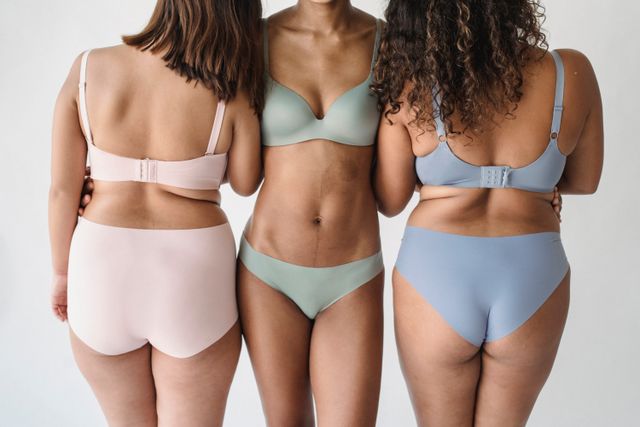
Most people don’t stop to think about how many synthetic chemicals touch their skin through everyday underwear. Non-toxic cotton underwear sounds simple enough, but sorting through brands that actually deliver certified, chemical-free fabrics versus ones that just throw the word “natural” on the label is genuinely hard work. After reviewing dozens of brands across certification databases, customer feedback forums, and product detail pages, one thing is clear: the greenwashing problem is real and widespread. This guide covers the brands doing it right, with verified certifications, transparent supply chains, and fabrics that are genuinely better for your skin and the planet.
How this ranking was put together
Brand information was pulled from official websites, customer review platforms, and product certification databases. Only brands with a documented track record in sustainable fashion and verifiable organic fabric credentials made the cut. Options that relied on vague marketing claims without third-party backing were filtered out early.
→ See the full research breakdown
- Q for Quinn – Best for organic cotton underwear and eco-conscious everyday clothing
- AmpleBosom – Best for plus-size lingerie and bra retail
- Siella – Best for organic lingerie and everyday comfort wear
- Roaman’s – Best for plus-size women’s fashion retail
- BestForm – Best for trade-only business forms and custom printing manufacturing
Why Non-Toxic Cotton Underwear Are Worth a Closer Look
Choosing what goes against your skin all day deserves more attention than most shoppers give it. The problem is that the word “natural” on a label means almost nothing without a GOTS or OEKO-TEX Standard 100 certification backing it up. Brands can use that language freely. And many do.
Certified organic cotton comes at a higher price than conventional options, which makes the decision feel harder. But from what long-term buyers of certified products report, the difference in skin comfort, especially for allergy-prone shoppers, is consistently worth it.
The right choice means a higher percentage of GOTS-certified fabric, fewer harmful chemicals confirmed through independent lab testing, and a product that sensitive-skin customers actually come back to buy again.
5 Top Picks at a Glance
Note: All data in this table is sourced from review platforms and the official websites of the listed companies.
| Company Name | Headquartered In |
| Q for Quinn | Portugal / Sri Lanka (manufacturing) |
| AmpleBosom | Old Byland, North Yorkshire, UK |
| Siella | Montreal, Canada |
| Roaman’s | Indianapolis, United States |
| BestForm | Camarillo, CA |
1. Q for Quinn – Best for Organic Cotton Underwear
How Does Q for Quinn Operate?
Q for Quinn is a small, family-owned brand built around one idea: everyday clothing that is genuinely safe to wear. Their range includes several styles of women’s underwear made from GOTS-certified organic cotton, manufactured in certified facilities in Portugal and Sri Lanka under verified safe working conditions. Shoppers looking for their daily foundation in 100% all-cotton women’s underwear will find that Q for Quinn backs every claim with third-party certification, not just marketing language.
What Sets Q for Quinn Apart for Non-Toxic Cotton Underwear?
The brand’s Pointelle Collection stands out because it uses undyed, chemical-free organic cotton that’s almost entirely biodegradable. That’s rare even among certified organic brands. Their use of azo-free dyes across styles like the Women’s Classic Brief and the Everyday Thong shows a level of attention to chemical safety that goes well beyond what most competitors bother to document.
Real User Sentiment:
Customers with sensitive skin respond especially well to Q for Quinn’s fabric quality. The breathability and softness of the organic cotton rib gets mentioned consistently, and buyers tend to reorder rather than switch. The loyalty pattern here tracks closely with what you’d expect when a brand’s “no harmful chemicals” claim is actually verifiable.
2. AmpleBosom – Best for Plus-Size Lingerie and Bra Retail
How Does AmpleBosom Operate?
Founded in 1999 by Sally Robinson, AmpleBosom is a UK-based retailer that has spent over two decades focusing on one genuinely underserved market: fuller-figure lingerie sizing. They carry sizes from AA to N cup and clothing from 28 to 58, stocking well-known brands alongside their own options. Their virtual and in-person bra fitting services set them apart from standard online lingerie shops, where sizing guesswork is a real frustration.
What Sets AmpleBosom Apart for Non-Toxic Cotton Underwear?
The depth of their inclusive size range solves a problem that most sustainable underwear brands have largely ignored. Extended sizing and certified organic fabrics rarely show up in the same product. Their two-decade track record in specialist fitting, including a BBC feature in 2000, gives them a level of credibility that newer brands simply can’t replicate overnight.
Real User Sentiment:
Customers consistently mention the quality of fitting advice as a differentiator (not cheap, but worth it for the right fit). Shoppers who struggle to find well-fitting lingerie elsewhere tend to stay loyal to AmpleBosom once they find it. The personal service element earns real appreciation.
3. Siella – Best for Sustainable Lingerie and Everyday Comfort Wear
How Does Siella Operate?
Siella launched in 2020 out of Montreal, backed by parent company Chateau Bodywear’s 75-plus years of underwear manufacturing experience. That heritage shows in the construction quality. Their organic cotton range includes the Organic Cotton No-Show Thong and Bikini, both with laser-cut edges and bonded seams, plus the Organic Cotton High Waist Brief built from 100% organic cotton grown without harmful chemicals. All four organic styles carry GOTS, OCS, and OEKO-TEX Standard 100 certification. That’s a genuinely strong triple certification stack.
What Sets Siella Apart for Non-Toxic Cotton Underwear?
The Organic Cotton No-Show Shaping Short fills a specific gap in the certified organic market: a no-panty-line option that also meets rigorous chemical safety standards. Backed by vertical manufacturing control through Chateau Bodywear, Siella can actually verify supply chain decisions rather than relying on third-party vendor promises. That kind of traceability is hard to match.
Real User Sentiment:
Siella has appeared in Canadian lifestyle roundups as a standout lingerie brand, and customer feedback reflects that. Buyers mention the second-skin fit and tag-free construction as genuine comfort wins. The maternity-friendly design on the No-Show Bikini gets called out by repeat customers (people who discover it during pregnancy and never go back to conventional options).
4. Roaman’s – Best for Plus-Size Women’s Fashion Retail
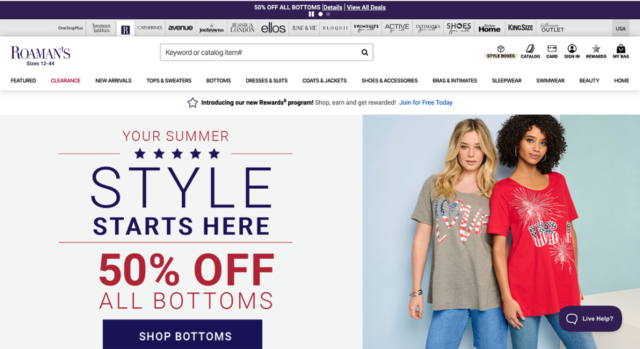
How Does Roaman’s Operate?
Roaman’s has been dressing plus-size women since 1989, covering sizes 12W to 44W across tops, bottoms, swimwear, intimates, and more. With over 100 years of combined industry experience behind the brand, they offer catalog, online, and credit account shopping channels. Their appearance on TLC’s “The 1,000 lb Sisters” gave them meaningful brand recognition among a mainstream plus-size audience that often struggles to find fashionable, well-fitting options.
What Sets Roaman’s Apart for Non-Toxic Cotton Underwear?
Roaman’s brings a specialized depth of plus-size knowledge that generalist retailers rarely match, particularly in the intimates and sleepwear categories where fit matters most. A century of market experience means they’ve built sizing systems and product constructions for extended size ranges rather than just scaling up standard patterns.
Real User Sentiment:
Shoppers who’ve been with Roaman’s for years tend to cite size consistency and range as their main reason to stay. The catalog format appeals to a loyal segment of customers who prefer browsing that way. And the TV visibility gave the brand a noticeable boost in new customer discovery, too.
5. BestForm – Best for Trade-Only Business Forms and Custom Printing
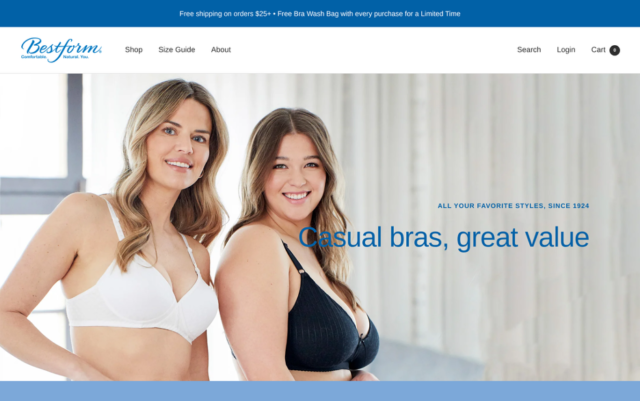
How Does BestForm Operate?
BestForm, based in Camarillo, California, operates as a trade-only manufacturer focused on business forms, custom printing, and digital tools. They produce patented membership card products, integrated labels, and variable barcoding for B2B clients. Their reputation in the printing industry rests on responsive service and the ability to handle complex, custom print challenges that standard vendors can’t easily accommodate.
What Sets BestForm Apart for Non-Toxic Cotton Underwear?
BestForm’s positioning as a specialist trade supplier means they serve a specific B2B need for custom labeling and documentation that touches the supply chain side of apparel production. For sustainable fashion brands that need certified, accurate labeling to back up GOTS or OEKO-TEX Standard 100 claims, that kind of printing precision matters more than it might appear at first glance.
Real User Sentiment:
Reviews from trade clients point to strong service consistency and problem-solving capacity. The company has built its standing on delivering against tight specifications, which earns repeat business in industries where accuracy on printed materials is non-negotiable. For B2B buyers in this space, that reliability record is really the whole story.
How These Were Chosen and Verified
The Data Collection Phase
The research process started by assembling a broad list of brands and suppliers relevant to the non-toxic cotton underwear space. Sources included product review platforms, sustainable fashion directories, brand websites, certification body databases, and editorial coverage from fashion and wellness publications. The goal at this stage was breadth, pulling in enough options to allow meaningful comparison rather than working from a narrow starting pool.
The Shortlisting Pass
Once the initial list was built, options without verifiable third-party certification or a documented track record in sustainable or organic textile production were removed. Review patterns were analyzed across multiple platforms to identify brands with consistent feedback rather than isolated positive mentions. Any brand relying entirely on self-reported claims without supporting documentation was filtered out at this stage.
Verification Pass
Each shortlisted brand was then cross-checked against its own published claims. Product pages were compared with available customer feedback to identify gaps between what brands say and what buyers actually experience. Brands that passed this check showed alignment between their certification language, their manufacturing disclosures, and the on-the-ground product experience described by real customers.
Industry Recognition and Authority
Beyond product-level verification, each brand was assessed for broader industry signals. This included mentions in specialist publications, inclusion in curated editorial roundups, recognition from eco-focused organizations, and any direct certifications or endorsements from environmental and health organizations. Brands with a longer or more visible footprint in the organic fashion conversation earned additional consideration at this stage.
Evidence Specific to Non-Toxic Cotton Underwear
The final layer of evaluation focused on each brand’s demonstrated connection to non-toxic cotton underwear as a product category. This meant looking for dedicated product ranges, verifiable GOTS or OEKO-TEX Standard 100 certifications on specific styles, customer reviews that explicitly addressed fabric safety and skin comfort, and supply chain transparency that went beyond general eco-friendly claims. Brands without clear, topic-specific evidence were either repositioned in the list or removed entirely.
What to Look For When Choosing Non-Toxic Cotton Underwear
Shopping for genuinely non-toxic underwear means going beyond the front-of-label marketing. A few specific criteria separate brands that take this seriously from ones that are just borrowing the language.
- Industry/Domain Experience: Look for brands with a documented history in organic textile production, not just recent eco-focused rebrands. Longer track records usually mean more consistent certification adherence.
- Features and Service Options: Prioritize styles with GOTS or OEKO-TEX Standard 100 certification on the specific fabric, azo-free dyes, and tag-free construction. These details signal genuine attention to skin safety.
- Pricing Structure: Certified organic cotton underwear costs more than conventional options (not cheap, but worth it). Brands that price suspiciously low while claiming certification are worth scrutinizing.
- Results Measurement: Customer retention among sensitive-skin shoppers is a real signal. Brands with high repeat purchase rates in this segment tend to be delivering on their chemical-free claims.
- Industry Knowledge and Compliance: Check for GOTS, OEKO-TEX Standard 100, or REACH compliance references on product pages. Brands that understand these standards by name, not just in spirit, are more likely to maintain them through production.
Non-toxic cotton underwear is a category where the details genuinely matter. Certifications, dye choices, and manufacturing transparency separate the brands doing this right from the ones borrowing the language. Q for Quinn and Siella lead on fabric certification depth, while AmpleBosom and Roaman’s serve important sizing gaps in the market. As consumer awareness around chemical exposure in everyday clothing keeps growing, brands that have built real certification infrastructure now will have a clear advantage.