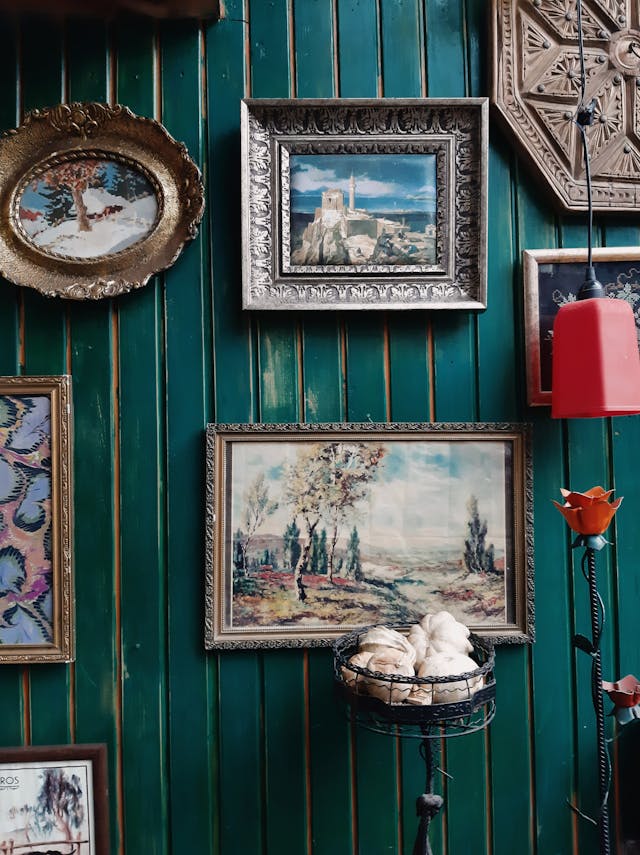
The right lighting can turn artwork, keepsakes, and display pieces into focal points that feel planned, polished, and personal. After reviewing home display lighting guidance, common shelf and cabinet layouts, and preservation tips for displayed objects, this guide shows how small lighting choices can create a big visual change without a costly renovation.
Many homes already have pieces worth showing off. A framed print, signed baseball, ceramic vase, vintage camera, or family photo may hold meaning, but overhead lighting often leaves these items looking flat. Ceiling lights brighten the room as a whole, yet they rarely add focus where it matters.
Small accent lights solve that problem. They bring attention to one area at a time, add warmth, and create depth around special objects. They also help homeowners and renters improve a room without hardwiring fixtures, cutting into walls, or hiring an electrician.
Why Small Lights Make Displays Feel More Intentional
Good display lighting is not about making a room brighter. It is about guiding the eye. When a soft beam lands on one shelf, frame, or object, that item naturally feels more important. The light creates contrast, and contrast helps people notice shape, color, texture, and detail.
Puck lights work well for this purpose because they are compact, easy to place, and easy to use in tight spaces. They can fit under shelves, inside cabinets, along bookcases, or near a gallery wall. Their small size keeps attention on the display rather than on the fixture itself.
They are also helpful in spaces that feel dark after sunset. A bookcase may look beautiful during the day, but lose its character at night. A shadow box may hold meaningful items, yet its depth can hide the details. A gallery wall may have strong artwork, but only the pieces closest to a lamp get noticed. Small lights add focus exactly where the room needs it.
For renters, the appeal is practical. Hardwired picture lights and track lighting can look great, but they may require tools, wiring, permission, and added cost. Battery-powered or plug-in accent lights let you test placement, move displays, and refresh the room with far less hassle.
Best Places to Use Puck Lights Around the Home
Shelves are one of the easiest places to start. A light placed under the shelf above can shine down on pottery, books, small sculptures, framed photos, or souvenirs. For a cleaner look, place the light near the front underside of the shelf and aim the glow slightly back. This helps spread light across the display while reducing glare.
Bookcases are another strong option. Deep shelves often leave items in shadow, especially in rooms with limited natural light. Lighting one or two display shelves can make the whole bookcase feel more layered. Try lighting shelves that hold decor, not every single row of books. This keeps the effect warm and relaxed.
Shadow boxes and glass-front cabinets also benefit from focused light. These displays often hold small items with fine details, such as medals, shells, pins, miniatures, or keepsakes. A soft light above or inside the display can make those details easier to see. If the display includes paper, photos, fabric, or older items, use a lower brightness setting and avoid long exposures. Conservation experts warn that minor damage can accumulate over time and cannot be reversed.
Gallery walls need a lighter touch. Rather than lighting every frame, choose one or two anchor pieces. A larger print, portrait, or textured work can become the center of attention, while the rest of the wall supports the look. This creates a more natural, collected feel.
Display cabinets are also a smart place for small lights. Glassware, figurines, sports memorabilia, and collectibles often look better with a soft glow. Start with a low setting, especially around glass or glossy surfaces. Too much brightness can create reflections that make the display harder to enjoy.
How to Get the Look Right Without Overdoing It
The best display lighting feels warm and gentle. In living rooms, bedrooms, and dining areas, soft white light usually feels more inviting than cool white light. Warm tones tend to flatter wood, brass, pottery, books, textiles, and framed art.
Brightness should stay controlled. A collectible does not need a spotlight-level beam to stand out. Often, a small pool of light is enough. Dimmable lights are helpful since they let you adjust the mood for daytime, evening, or special occasions.
Placement matters just as much as brightness. Avoid pointing lights straight at glass-covered frames, mirrors, or shiny cabinet doors. Angled light helps reduce glare. When possible, hide the fixture behind a shelf lip or cabinet edge so the object stays in focus.
Think about the room in layers. Overhead lighting gives general brightness. Lamps add comfort. Accent lights bring attention to favorite objects. When these layers work together, the room feels finished without feeling too bright.
LED options are a smart choice for most home displays. The U.S. Department of Energy says residential LEDs use at least 75 percent less energy and can last up to 25 times longer than incandescent lighting. LEDs also produce less heat than many older bulbs, which helps in tighter spaces such as shelves and cabinets.
Small Lighting Changes Can Make a Room Feel More Personal
Art and collectibles tell a story, but they need the right light to be fully appreciated. A simple lighting upgrade can make a framed photo feel more meaningful, turn a shelf into a focal point, or give a collection the attention it deserves.
With careful placement, soft brightness, and a warm tone, puck lights can help favorite pieces stand out without expensive fixtures or major installation. The result is a home that feels more finished, more personal, and easier to enjoy every day.