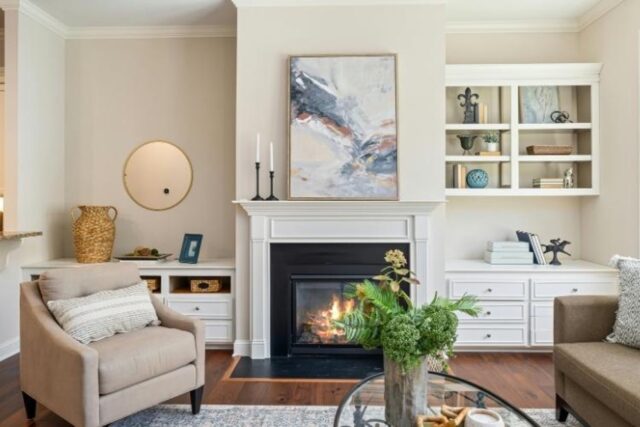
[Image by Curtis Adams from Pexels via Canva]
Modern life rarely slows down. Between work, family responsibilities, and everything in between, your home should support your routine rather than complicate it. Yet many households still rely on outdated systems and inefficient layouts that quietly drain time, money, and energy.
Fortunately, strategic upgrades can change that. You can create a home that runs more smoothly and demands less effort to maintain by focusing on practical improvements that simplify everyday tasks. This guide explores seven time-saving home upgrades that align with busy lifestyles while offering long-term financial and emotional benefits.
Smarter Heating for Long-Term Efficiency
Heating plays a central role in daily comfort, yet many systems operate inefficiently, wasting both energy and time. Modern heating solutions allow you to control temperatures with precision, reducing the need for constant adjustments and unexpected maintenance.
Upgrading your heating system also helps stabilize monthly expenses. Instead of dealing with fluctuating bills or emergency repairs, a well-designed system works quietly in the background. Homeowners who prioritize this upgrade often notice a difference not just in comfort, but in how little attention the system requires over time.
Upgrading your heating system with cinergi.co.uk is one of the smartest long-term moves. Cinergi focuses on solutions that streamline performance and reduce inefficiencies, making it easier to maintain a comfortable home without ongoing hassle.
Smart Home Systems That Handle Daily Tasks
Smart home systems have moved beyond novelty and now serve as practical tools for managing everyday life. From automated lighting schedules to voice-controlled assistants, these systems reduce the number of small decisions you need to make throughout the day.
For example, programmable thermostats adjust temperatures automatically based on your routine. Smart plugs can turn off appliances when not in use, while integrated systems let you control everything from a single app. These upgrades reduce mental load, especially for households juggling multiple responsibilities.
The real advantage lies in consistency. Once set up, smart systems continue working without constant input, freeing up time for more important priorities.
Low-Maintenance Flooring Options
Traditional flooring often demands frequent cleaning and upkeep. Carpets trap dust and require regular deep cleaning, while certain wood finishes need ongoing care to maintain their appearance.
Switching to low-maintenance materials such as luxury vinyl, laminate, or sealed hardwood can significantly reduce the time spent on cleaning. These surfaces resist stains, withstand heavy foot traffic, and require only simple maintenance.
For busy households, this upgrade eliminates one of the most repetitive chores. Instead of dedicating hours to upkeep, you can maintain a clean, presentable home with minimal effort.
Kitchen Upgrades That Simplify Cooking
The kitchen is one of the most used spaces in any home, and small inefficiencies quickly add up. Thoughtful upgrades can transform it into a more functional and time-saving environment.
Consider features such as pull-out storage, soft-close drawers, and modern, energy-efficient appliances. Induction cooktops heat up faster and are easier to clean, while built-in dishwashers with quick cycles reduce cleanup time.
Layout improvements also make a difference. A well-organized kitchen minimizes unnecessary movement, helping you prepare meals faster without added stress. Over time, these small gains create a noticeable shift in your daily routine.
Built-In Storage to Reduce Clutter
Clutter affects how your home looks and impacts how efficiently you move through your space. Searching for misplaced items or constantly reorganizing can waste valuable time.
Built-in storage solutions offer a more permanent fix. Custom shelving, under-stair storage, and fitted wardrobes maximize available space while keeping everything organized. Unlike temporary storage options, built-ins integrate seamlessly into your home’s design.
This upgrade creates a more predictable environment. When everything has a designated place, daily tasks become quicker and less frustrating.
Energy-Efficient Windows and Insulation
Drafty windows and poor insulation often go unnoticed until they start affecting comfort and utility bills. These issues force heating and cooling systems to work harder, increasing both costs and maintenance demands.
Upgrading to energy-efficient windows and improving insulation helps regulate indoor temperatures more effectively. This reduces reliance on heating and cooling systems, which in turn lowers energy usage.
Beyond financial savings, this upgrade creates a more stable indoor environment. Rooms stay comfortable throughout the day, eliminating the need for constant adjustments.
Outdoor Spaces That Require Less Upkeep
Outdoor areas can either be a source of relaxation or another item on your to-do list. Traditional gardens often require regular watering, mowing, and maintenance, which can feel overwhelming for busy homeowners.
Low-maintenance landscaping offers a practical alternative. Features such as artificial grass, gravel pathways, and drought-resistant plants reduce the time spent on upkeep while still creating an inviting outdoor space.
Simple additions like automated irrigation systems also help maintain your garden with minimal effort. These changes allow you to enjoy your outdoor space without turning it into a regular chore.
Upgrading your home doesn’t have to involve major renovations or complicated decisions. You can create a space that supports your lifestyle by focusing on improvements that reduce daily effort, rather than adding to your workload.
From smarter heating systems to low-maintenance materials and automated technology, each upgrade helps save time, lower costs, and reduce stress. The key is to choose solutions that align with how you actually live, not just how your home looks.
Over time, these changes build a more efficient and comfortable environment. Instead of constantly managing your home, you can rely on it to work for you, freeing up time and energy for what matters most.