School events have always carried a dual purpose. They are meant to celebrate milestones and bring people together, yet they are also expected to keep students meaningfully engaged. In an era where attention is constantly pulled in multiple directions, traditional formats that rely heavily on passive observation can fall short. Students today are accustomed to interaction, choice, and immediacy, which makes static programming feel less compelling. This gap between expectation and experience is where interactive carnival games begin to show their value. They transform school events from something to watch into something to actively experience.
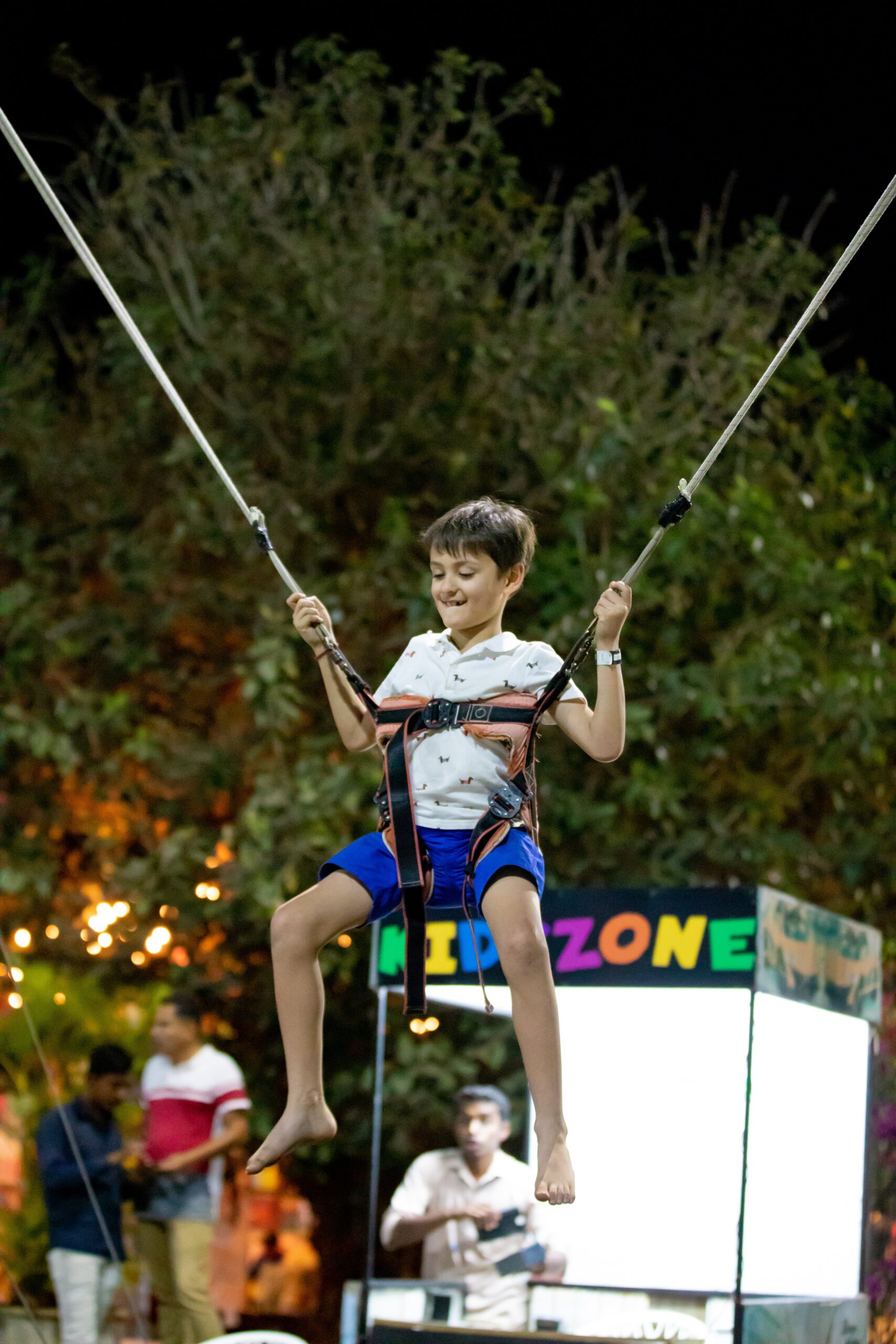
The shift from passive to active engagement is not a minor adjustment. It changes how students perceive the event and their role within it. Instead of sitting on the sidelines, they become participants who influence the energy and flow of the gathering. This sense of agency matters, especially in school environments where students often operate within structured systems. A simple game can provide a rare moment where they are in control, making choices, taking chances, and enjoying the outcome without academic pressure. That freedom, even in a small dose, can make the event feel refreshing and memorable.
There is also a broader institutional benefit to this shift. Schools are not only educational spaces but also social ecosystems that rely on positive interactions to function well. Events that successfully engage students contribute to a stronger overall atmosphere, which can carry into daily school life. When students associate school gatherings with enjoyment and participation, they are more likely to attend future events and encourage others to do the same. In that sense, interactive elements are not just enhancements. They are essential tools for building a culture that values connection and shared experience.
How Interactive Games Turn Attendance Into Participation
Attendance is often seen as a measure of success for school events, but it tells only part of the story. A crowded room does not necessarily mean an engaged audience. Many attendees may drift through the space without forming meaningful connections or lasting impressions. Interactive carnival games help address this issue by offering immediate points of entry into the event. They reduce the hesitation that often comes with unstructured time and give attendees something clear and enjoyable to do from the moment they arrive.
This immediate engagement has a compounding effect. Once students begin participating, they are more likely to continue exploring other activities and inviting others to join them. The event gains momentum as small groups form around different games, creating pockets of energy that spread throughout the space. This dynamic environment contrasts with events that rely solely on scheduled programming, where energy can rise and fall depending on what is happening on stage. With games, activity remains continuous, and the overall experience feels more fluid and alive.
As schools refine their approach to interactive events, many organizers look more closely at how well-designed game experiences create natural flow and sustained engagement. The difference often comes down to thoughtful curation, layout, and the ease with which participants can move from one activity to another without friction. Looking at experienced providers, such as Something New, a leading provider of carnival games in Los Angeles, can offer a useful perspective, particularly for schools aiming to elevate their event design beyond basic setups. Exploring options like school carnival game ideas further illustrates how structured play, visual appeal, and accessibility come together to create a more cohesive and engaging experience.
The Role of Carnival Games in Building School Community
Community within a school does not develop automatically. It is built through repeated interactions that foster familiarity and trust among students, families, and staff. Carnival games provide a natural setting for these interactions because they encourage collaboration, friendly competition, and shared enjoyment. A parent helping a child aim for a target or a group of students cheering each other on creates small but meaningful moments that strengthen social bonds. These interactions may seem simple, but they contribute to a more connected and supportive environment.
One of the strengths of carnival games is their ability to bridge gaps between different groups within the school community. Younger students, older students, parents, and teachers can all participate on equal footing. The rules are straightforward, and the objectives are easy to understand, which reduces barriers to entry. This inclusivity is particularly important during school events, where the goal is to bring together a diverse audience. When everyone can participate without feeling out of place, the event becomes more cohesive and welcoming.
These shared experiences also help establish traditions. When students and families look forward to specific games or activities each year, those elements become part of the school’s identity. Traditions provide continuity and give people a sense of belonging that extends beyond a single event. Over time, these recurring moments contribute to a stronger, more unified community that values both participation and connection.
Why These Games Support Social and Emotional Development
Interactive carnival games offer more than entertainment. They also create opportunities for social and emotional growth in a setting that feels natural and enjoyable. Students learn to navigate success and failure in real time, developing resilience and adaptability. A missed attempt becomes a chance to try again, while a small victory provides a boost of confidence. These experiences reinforce important life skills without the need for formal instruction.
The social aspect of these games is equally significant. Students must communicate, take turns, and respect rules, all of which are essential components of healthy interaction. These skills are often taught in the classroom, but they gain additional depth when practiced in informal settings. The relaxed environment of a school event allows students to apply what they have learned in a way that feels authentic and relevant.
Confidence building is another key benefit. Not every student feels comfortable participating in traditional school activities such as performances or competitive sports. Carnival games provide an alternative avenue for involvement. The stakes are low, and the focus is on enjoyment rather than evaluation. This makes it easier for students to step forward and engage, which can have a lasting impact on their willingness to participate in other aspects of school life.
The Fundraising Advantage Without the Hard Sell
Fundraising is often a central component of school events, but it can be challenging to balance financial goals with a positive experience. Interactive carnival games offer a solution by integrating fundraising into the fabric of the event. Instead of relying on direct appeals, schools can generate revenue through game participation, creating a system that feels voluntary and enjoyable. This approach reduces pressure on families and makes the act of contributing feel more natural.
The presence of games also encourages attendees to stay longer, which can increase overall spending. Families who are actively engaged are more likely to explore other areas of the event, such as food stalls or merchandise tables. This extended engagement creates additional opportunities for fundraising without requiring additional effort. It is a subtle but effective way to enhance the financial success of the event.
Equally important is the perception of value. When families feel that they are receiving an enjoyable experience in exchange for their contributions, they are more likely to view the event positively. This can lead to increased support for future initiatives and a stronger sense of trust between the school and its community. In this way, carnival games contribute not only to immediate fundraising goals but also to long-term relationships.
Designing Events That Include More Students and Families
Inclusivity is a critical factor in the success of any school event. An inclusive event ensures that all attendees feel welcome and able to participate, regardless of age, background, or ability. Carnival games support this goal by offering a wide range of activities that cater to different interests and skill levels. From simple games of chance to more skill-based challenges, there is something for everyone to enjoy.
The accessibility of these games is one of their greatest strengths. Clear objectives and minimal instructions make it easy for participants to understand how to play. This simplicity is particularly beneficial for younger students and families who may be attending their first school event. It removes potential barriers and allows everyone to engage with confidence.
Thoughtful planning further enhances inclusivity. Organizers can ensure that games are distributed evenly throughout the space, with clear signage and adequate staffing to assist participants. By considering factors such as crowd flow and accessibility, schools can create an environment that feels comfortable and inviting. These details may seem small, but they have a significant impact on the overall experience.
Why Memorable Events Strengthen a School’s Reputation
A school’s reputation is shaped by more than academic performance. It is also influenced by the experiences it creates for students and families. Memorable events play a key role in this process by leaving lasting impressions that extend beyond the classroom. Interactive carnival games contribute to these positive experiences by adding an element of excitement and engagement that is difficult to achieve through traditional programming alone.
These events also serve as opportunities to showcase the school’s values. A well-organized event that prioritizes inclusivity, creativity, and enjoyment reflects a commitment to the well-being of the community. This can strengthen relationships with current families and attract prospective ones who are looking for a supportive and dynamic environment.
Over time, memorable events become part of the school’s identity. They create stories that are shared among students, parents, and staff, reinforcing a sense of pride and belonging. This collective memory is a powerful asset, as it helps build a strong and positive image that supports the school’s long-term success.
Making Carnival Games Work in Real School Settings
While the benefits of interactive carnival games are clear, successful implementation requires careful planning. Schools must consider factors such as space, audience size, and available resources when selecting and organizing activities. A well-planned layout ensures that games are accessible and that participants can move easily between different areas of the event. This attention to detail helps prevent congestion and maintains a steady flow of activity.
Aligning games with the event’s overall purpose is also important. Whether the goal is to celebrate a milestone, raise funds, or strengthen community ties, the chosen activities should support that objective. This alignment creates a cohesive experience that feels intentional and well thought out. It also helps ensure that the event meets its intended goals without losing focus.
Finally, schools can benefit from reflecting on each event and identifying areas for improvement. Gathering feedback from participants and observing how different elements perform provides valuable insights for future planning. By continuously refining their approach, schools can create events that are not only enjoyable but also increasingly effective in achieving their goals.