Your bedroom is more than just a place to sleep. It’s where your day begins and ends, where you recharge, and where comfort meets personal style. Over the past few years, bedroom design has shifted from purely aesthetic choices to more thoughtful, experience-driven decisions. People are paying closer attention to how their spaces feel, not just how they look.
This year, bedroom trends reflect a growing desire for calm, functionality, and individuality. From subtle material choices to bolder design statements, these trends offer practical ways to rethink your space without overwhelming it. Whether you’re planning a full redesign or making small updates, understanding what’s shaping bedroom design right now can help you make smarter, more lasting choices.
Soft Minimalism Takes Center Stage
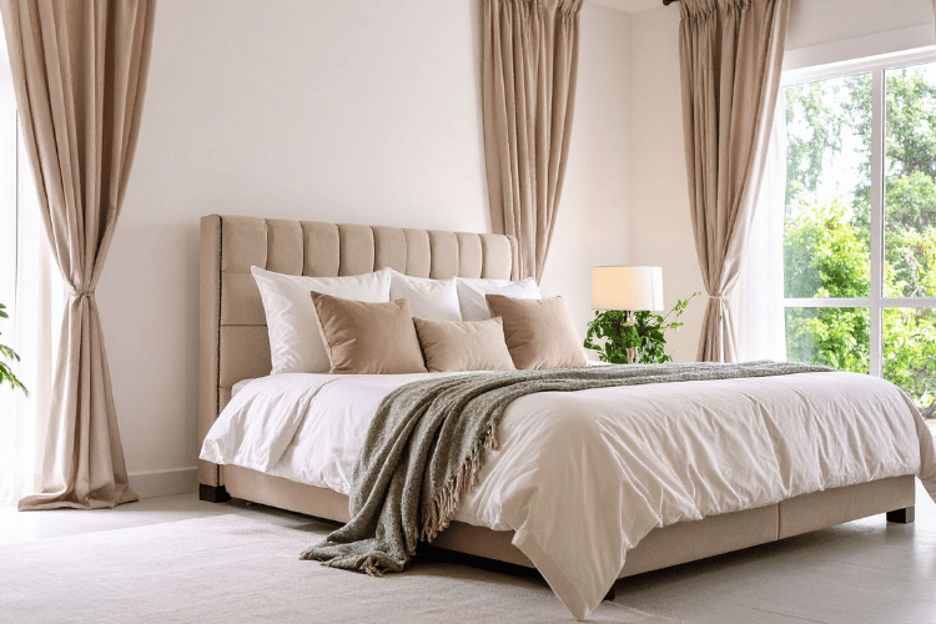
Minimalism isn’t new, but it’s evolving. This year, the focus is on “soft minimalism”, a warmer, more inviting take on clean design. Instead of stark whites and sharp lines, think:
- Neutral palettes with warm undertones
- Textured fabrics like linen and boucle
- Layered bedding that adds depth without clutter
The goal is simplicity without feeling cold or empty. A carefully chosen throw, a textured rug, or a few well-placed decorative pieces can make a minimalist bedroom feel comfortable and lived-in.
Statement Headboards and Feature Walls
Bedrooms are becoming more expressive, and one of the easiest ways to add personality is through a statement focal point. Headboards and feature walls are leading the way.
Upholstered headboards in rich fabrics, curved silhouettes, or oversized designs are especially popular. Meanwhile, feature walls are moving beyond paint to include:
- Wood paneling
- Subtle wallpaper patterns
- Textured finishes like plaster or limewash
These elements draw the eye without overwhelming the space, creating a balanced yet visually interesting room.
Comfort-Driven Bedding Choices
Design trends may come and go, but comfort remains constant. This year, there’s a noticeable shift toward bedding that prioritizes both functionality and feel.
Layering is key. Instead of a single heavy blanket, many are opting for combinations that allow flexibility throughout the night. This includes lightweight duvets, breathable sheets, and supportive pillows.
Choosing the right duvet insert plays a major role here. For instance, many homeowners are turning to down-alternative inserts like the ones offered by Doze Bedding for softness and practicality. It’s a simple upgrade that can noticeably improve sleep quality while still aligning with modern design preferences.
Nature-Inspired Elements Indoors
Bringing elements of nature into the bedroom continues to grow in popularity. It’s all about creating a connection to the outdoors through materials, colors, and textures.
Some common approaches include:
- Wooden furniture with natural finishes
- Earth-toned color schemes like sand, olive, and clay
- Organic fabrics such as cotton and linen
Even small touches, like a bedside plant or woven decor, can make the space feel calmer and more grounded.
Multi-Functional Bedroom Spaces
Bedrooms are no longer used for just sleeping. With more people working or relaxing at home, the bedroom often serves multiple purposes. This has influenced how spaces are designed.
Instead of overcrowding the room, the focus is on smart, intentional design. Examples include:
- Compact desks that blend into the decor
- Storage beds that reduce clutter
- Seating areas for reading or unwinding
The key is to maintain a sense of separation, even within the same room. This helps preserve the bedroom’s primary function as a place of rest.
Layered Lighting for Mood and Function
Lighting is becoming more thoughtful and layered. A single overhead light is no longer enough. Instead, designers are incorporating multiple light sources to create different moods throughout the day.
A well-lit bedroom typically includes:
- Ambient lighting for general illumination
- Task lighting for reading or working
- Accent lighting to highlight decor
Soft, warm lighting is especially popular, as it creates a relaxing environment in the evening. Bedside lamps, wall sconces, and even subtle LED strips can all contribute to a more versatile and comfortable space.
Personalization Over Perfection
Perhaps the most defining trend of the year is the move toward personalization. Perfectly styled, showroom-like bedrooms are giving way to spaces that reflect individual tastes and lifestyles.
This might mean mixing styles, incorporating meaningful decor, or choosing pieces that prioritize comfort over appearance. The idea is simple: your bedroom should feel like yours.
Brands like Doze Bedding fit naturally into this shift, as more people look for products that support both comfort and personal preference without sacrificing style.
Subtle Color Accents Replace Bold Palettes
While bold colors still have their place, many bedrooms are leaning toward softer, more controlled palettes. Instead of painting entire walls in vibrant shades, designers are using color more strategically.
Popular approaches include:
- Accent pillows or throws in muted tones
- Artwork that introduces color without dominating the room
- Small decor pieces that add visual interest
This allows for flexibility. You can update the look of your room without committing to a full redesign.
Sustainable Choices Gain Importance
Sustainability is becoming a bigger factor in home design decisions. More people are considering how their choices impact the environment, especially when it comes to materials and longevity.
In the bedroom, this often translates to:
- Choosing durable, high-quality items that last longer
- Opting for natural or responsibly sourced materials
- Reducing unnecessary purchases and focusing on essentials
It’s less about following strict rules and more about making thoughtful decisions that align with your values.
Designing a Bedroom That Works for You
This year’s bedroom trends highlight a clear shift toward comfort, flexibility, and personal expression. Rather than chasing fast-changing styles, the focus is on creating spaces that feel good to live in every day.
If you’re updating your bedroom, start with the basics. Think about how you use the space, what helps you relax, and where small improvements can make a difference. Whether it’s adjusting your lighting, introducing softer textures, or upgrading your bedding, even minor changes can have a noticeable impact.
Ultimately, the best bedroom design isn’t the one that looks the most impressive; it’s the one that supports your daily routine and helps you feel at ease the moment you walk in.