Healthy eating can feel like a pop quiz you never studied for. One day it’s counting macros, the next it’s tracking seeds, and somehow dinner still turns into cereal at 9 p.m. The good news is that your body does not need a perfect plan; it needs a repeatable one.
To build this guide, practical nutrition guidance from established public health resources and everyday meal-planning approaches were reviewed, then turned into a few simple rules you can use on real weekdays. The goal is not to “win” healthy eating. The goal is to make it so easy that it happens more days than it doesn’t.
Start with a simple plate rule, then repeat it.
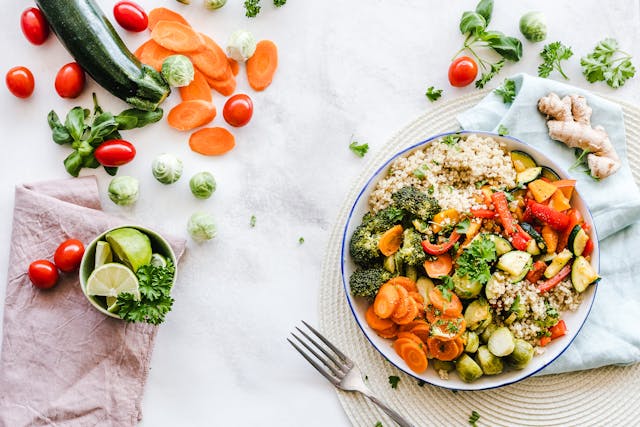
When meals feel complicated, use a visual shortcut: build your plate with balance first, details later. A simple approach is to aim for plenty of fruits and vegetables, then add a solid protein and a satisfying carb, with a bit of healthy fat when it helps with flavor and fullness.
You can turn that into a fast “meal formula” that works at home, at work, or in a drive-thru situation:
- Half the plate: produce (fresh, frozen, bagged salad, pre-cut veggies, fruit)
- One quarter: protein (beans, eggs, chicken, fish, tofu, Greek yogurt)
- One quarter: carbs with staying power (brown rice, oats, potatoes, whole-grain bread, quinoa)
- Optional add-on: healthy fats (olive oil, avocado, nuts, seeds) for taste and fullness
This is also where smart shortcuts belong. If planning and shopping are the main barriers, healthy meal kits can support this plate formula by reducing decisions while still making it easier to include produce, protein, and a satisfying carb at dinner.
This is the part many people miss: the formula stays the same even when the food changes. A taco bowl can be balanced. A breakfast plate can be balanced. Even a snack can follow a mini version of it.
Try these “no-thinking” swaps that keep the formula intact:
- No time to cook vegetables? Use frozen stir-fry mix, microwave steam-in-bag veggies, or a bagged salad kit.
- Protein feels like work? Keep a rotation of eggs, rotisserie chicken, canned beans, and tuna.
- Carbs get messy? Pick one you actually like and repeat it all week, such as microwave rice cups, oats, or potatoes.
A simple plan beats a perfect plan. If you can repeat a balanced meal template four nights a week, that is a win.
Another way to keep it easy is to create a short “default meals” list. Pick five meals you can make without looking up a recipe. Keep the ingredients on hand. When decision fatigue hits, choose one of those defaults and move on.
If snacks are where things slide, use a mini formula: protein + produce. Think apple and peanut butter, yogurt and berries, carrots and hummus, or cheese with whole-grain crackers.
Make convenience work for you, not against you.
Busy people do not “lack willpower.” They lack time, energy, and clean pans. Convenience is not the enemy; it just needs guardrails.
Start by choosing one or two convenience tools that remove the biggest friction points. For many households, that friction is shopping plus planning. A solid option is meal kits, which can mean fewer store trips, less decision fatigue, and more dinners that resemble the plan you had in your head at 10 a.m.
Meal kits are not magic, so use them strategically:
- Pick meals that match your real schedule. If Tuesdays are chaos, choose the fastest options for that day.
- Look for shortcut ingredients. Pre-chopped veggies, cooked grains, and ready proteins cut prep time without lowering quality.
- Add one “boost” item to each meal. Toss in extra spinach, frozen broccoli, or a side salad to hit that half-plate produce goal.
- Build leftovers on purpose. Choose at least one meal that makes a lunch portion for the next day.
If meal kits are not the right fit, the same idea applies to other convenience options:
- Grocery pickup or delivery: Build a saved cart and re-order weekly, then swap just a few items.
- Batch-cook one component, not the whole meal: Cook a pot of grains or roast a sheet pan of veggies, then mix and match.
- Assembly dinners: Think salad plus protein, hummus plate, wraps, or grain bowls.
- Smart freezer backups: Keep frozen veggies, frozen fruit, a couple of proteins, and one easy carb, so a healthy meal is always possible.
A practical way to reduce weeknight stress is a “two-track” dinner plan:
- Track A (cook): 2 to 3 meals you cook quickly
- Track B (assemble): 2 meals built from ready components
- Flex: 1 night for leftovers or a simple pantry meal
To make that plan stick, set up a small “insurance policy” in the pantry and fridge. These are ingredients that turn into a meal fast, even when the week goes off-script:
- Canned beans
- Jarred salsa or a simple simmer sauce
- Microwave rice or couscous
- Frozen vegetables
- A go-to protein you enjoy (eggs, tofu, chicken, tuna)
- A salad base or coleslaw mix for crunch and color
Even when you’re grabbing takeout, the healthy plate approach makes it easy to build a meal that feels good afterward
Keep it simple, keep it consistent.
Healthy eating without overcomplicating it comes down to a few repeatable decisions: follow a basic plate template, stock easy staples, and use convenience tools that help more than they hurt. The meals do not need to be fancy. They need to show up again and again.
If planning is the main pain point, lean on shortcuts that reduce choices, including a rotating grocery list and batch-prepped basics when they fit your budget and schedule. Small steps count: adding fruit at breakfast, keeping a protein-forward snack on hand, or doubling vegetables at dinner all move things in a better direction.
The easiest healthy plan is the one you can keep on your busiest week. Make that your baseline, then adjust from there.