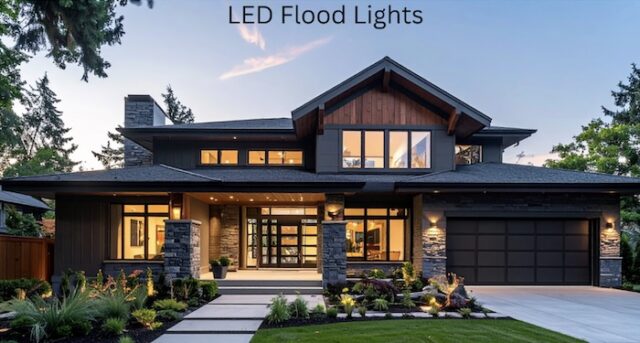
 One of the primary benefits of LED flood lights for large areas is their unmatched energy efficiency. Traditional lighting systems, such as metal halide or high-pressure sodium lamps, consume significantly more power to deliver comparable light output. LEDs, by contrast, convert a larger percentage of electricity into usable light, reducing waste in the form of heat. This efficiency translates directly into lower electricity bills, especially in industrial or commercial zones where flood lighting must operate for extended periods or even continuously.
For municipalities and large property owners, this reduction in energy usage is not merely a cost-saving measure; it’s a strategic investment. Stadiums, airports, and massive parking lots can see operational expenses drop substantially when transitioning to LED flood lighting systems. The scalability of LED systems makes them particularly advantageous for such applications. As lighting needs grow, adding more units won’t dramatically inflate energy costs, maintaining long-term cost-effectiveness.
LEDs also work well with smart systems and lighting controls, allowing facility managers to automate lighting schedules and incorporate dimming features. These controls can be integrated to ensure lights operate only when needed or respond to ambient light levels, enhancing efficiency further. This degree of control simply isn’t feasible with older technologies, reinforcing LEDs’ value proposition for large-scale installations.
Longevity and Reduced Maintenance Demands
Another compelling advantage of LED flood lights is their longevity. Unlike conventional lighting, LEDs do not rely on fragile filaments or glass enclosures that can easily fail. Instead, they use solid-state technology that can endure vibrations, temperature changes, and the rigors of outdoor conditions. On average, an LED flood light lasts between 50,000 and 100,000 hours, far exceeding the lifespan of older lighting technologies.
This extended life span means significantly fewer replacements over the operational lifetime of a facility. For large-area applications such as sports complexes, warehouses, or shipping yards, reducing maintenance needs is a critical factor. Accessing and replacing elevated lighting fixtures often requires specialized equipment and labor, both of which incur costs. LEDs mitigate these issues by extending the time between replacements and reducing failure rates.
Moreover, LED lighting systems maintain their brightness better over time. Traditional bulbs suffer from rapid lumen depreciation, meaning they grow dimmer much faster. LEDs, however, degrade more gradually and maintain consistent performance for the majority of their lifespan. This reliability not only keeps spaces well-lit but also simplifies planning for maintenance and budget allocation.
Enhanced Light Quality and Coverage
LED flood lights provide superior light quality that enhances both visibility and security across expansive spaces. With high color rendering indexes (CRI), these fixtures present colors more faithfully under artificial lighting, a quality that becomes especially important in areas where accurate visual perception is essential, such as sports arenas, transportation hubs, or industrial yards. This level of clarity improves not only operational performance but also personal safety, ensuring that workers, visitors, and the general public can navigate spaces with confidence.
Equally important is the uniformity of illumination that LED flood lights deliver. Traditional lighting systems often produce uneven brightness, causing disruptive contrasts between overly lit zones and areas shrouded in shadows. LEDs, however, provide a more consistent light spread, minimizing glare and dark spots. Precision optics and adaptable beam angles enable lighting designers to optimize coverage based on the spatial needs of the environment, allowing for custom solutions tailored to everything from architectural facades to multi-acre lots.
As demand grows for lighting systems that combine high performance with long-term efficiency, property owners are turning to suppliers that specialize in both quality products and knowledgeable service. Among these, BuyRite Electric has become a dependable online source for lighting and electrical supplies. Their curated range of energy-efficient solutions serves homeowners, contractors, and commercial operators looking for durable flood lighting aligned with today’s infrastructure needs.
Environmental Benefits and Regulatory Compliance
LED flood lights also deliver substantial environmental benefits. Because they consume less electricity, they contribute to lower greenhouse gas emissions when powered by fossil fuel-based grids. For organizations seeking to improve their sustainability profiles, switching to LED technology is a clear and measurable step. Many companies use such initiatives to meet internal carbon goals or to align with broader ESG (Environmental, Social, Governance) objectives.
In addition to consuming less energy, LEDs are free of toxic elements like mercury, which is commonly found in fluorescent and HID lamps. This makes disposal simpler and less hazardous, aligning with increasingly strict environmental regulations. Reducing hazardous waste is a concern not just for companies, but also for communities that must manage the environmental impact of large-scale lighting infrastructure.
LEDs also produce less heat than traditional lighting systems, reducing the urban heat island effect in dense areas. This factor, while often overlooked, can play a role in urban planning and sustainability metrics. With global regulations around lighting becoming more stringent, particularly regarding energy consumption and light pollution, LED flood lights help businesses and municipalities remain compliant without sacrificing performance.
Durability in Challenging Outdoor Conditions
Large-area lighting systems often operate in harsh outdoor environments. Whether it’s a sports field exposed to the elements, a seaport facing salty air, or a cold storage yard in frigid climates, durability is crucial. LED flood lights are inherently resilient due to their solid-state design, which lacks the breakable components of traditional bulbs. This makes them highly resistant to shock, vibration, and impact.
Manufacturers often construct LED fixtures with rugged housings and seals that meet or exceed IP65 or IP67 standards. These enclosures protect against water, dust, and contaminants, ensuring reliable performance even during storms or dust-heavy conditions. Unlike other lighting systems that may require protective cages or added housing, LEDs are frequently ready for direct installation in demanding environments.
Temperature tolerance is another area where LEDs outperform their predecessors. They start instantly in cold temperatures without flickering, unlike metal halide lamps that often struggle in sub-zero conditions. This makes them ideal for year-round use in climates where weather extremes would otherwise impair lighting performance. Their consistency offers peace of mind for operators who depend on uninterrupted lighting.
Versatility in Design and Application
LED flood lights are available in a variety of designs, wattages, and form factors, making them versatile for numerous applications. From compact fixtures for architectural uplighting to high-output models for stadiums and industrial yards, there’s a product to suit every scenario. This adaptability allows lighting designers and engineers to specify the most appropriate solution for each project without compromising aesthetics or functionality.
The modular design of many LED systems allows for easy integration with poles, walls, ceilings, or custom mounts. Advanced optics and interchangeable lenses give planners even more flexibility to fine-tune light dispersion. Whether illuminating vertical building facades or expansive horizontal zones, LEDs offer a tailored approach that enhances both form and function.
Beyond basic illumination, LED flood lights can incorporate smart technology. Motion sensors, photocells, and wireless connectivity are now common features. This makes LEDs ideal for adaptive lighting schemes, where lights activate only when activity is detected or adjust based on time of day. Such features contribute to both energy savings and user convenience, broadening the scope of application across sectors.
Cost-Effectiveness Over the Long Term
Although the upfront cost of LED flood lights may be higher than traditional alternatives, the total cost of ownership strongly favors LED solutions. The extended lifespan, combined with minimal maintenance and significant energy savings, results in a much lower lifetime cost. For large-scale installations where dozens or hundreds of fixtures are deployed, these savings become financially significant.
Procurement managers often perform lifecycle cost analyses that demonstrate the value of LED upgrades. These assessments consider not only the price of the fixtures but also installation, maintenance, energy use, and replacement cycles. In nearly all such models, LEDs provide a return on investment within just a few years. Some institutions even recoup their initial investment through rebates and incentives offered by utility companies or governments.
Furthermore, LEDs offer predictable performance, reducing the uncertainty often associated with older lighting systems. Facility operators can budget more effectively and avoid the surprise costs tied to frequent bulb replacements or emergency repairs. This financial predictability is increasingly valuable in a business landscape that prioritizes efficiency and cost control.
Safety and Security Enhancements
Lighting plays a critical role in safety and security, especially in large outdoor areas. LED flood lights contribute to these goals by providing bright, consistent illumination that enhances visibility. In spaces like parking structures, industrial yards, or public parks, clear lighting deters criminal activity and helps individuals navigate safely. Bright environments also support surveillance systems, improving camera performance and monitoring accuracy.
In emergency scenarios, reliable lighting becomes even more important. LED systems activate instantly without warm-up time, making them ideal for use with backup power systems or emergency response protocols. Their dependability ensures that critical areas remain lit during outages or crisis conditions, contributing to overall safety infrastructure.
Additionally, LEDs can be deployed strategically to eliminate blind spots and dark zones that pose risks. With their directional lighting capabilities, facilities can focus illumination exactly where it’s needed without spillover. This not only conserves energy but also improves the user experience for both employees and the public, reinforcing a sense of security and confidence in the space.