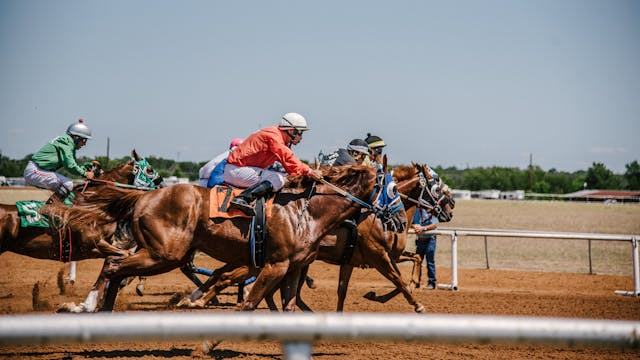
 Horse racing is a sport rich with tradition, passion, and unpredictability. Whether you’re cheering from the stands at Flemington or watching a Group 1 sprint from home, the thrill lies in the unexpected.
In this article, we explore the key factors that can upend race expectations, giving underdogs the edge and throwing punters off-course.
Track Conditions and Weather Variability
Track conditions aren’t just a visual cue; they have a measurable impact on performance. A large-scale analysis of flat races over five years confirmed that track surface condition conclusively influenced racing time, reinforcing just how vital it is to consider. From “firm” to “heavy”, the turf condition affects how horses perform. A soft or heavy track can blunt the speed of some horses while benefitting those bred or trained for endurance and slog.
Weather plays a crucial role, too. Rainfall within hours of the race can drastically shift conditions. Even a well-fancied front-runner can falter if it lacks the hoof action suited for muddy surfaces. Conversely, some outsiders relish the wet, making them valuable for those reading between the lines.
Barrier Draws and Race Dynamics
The barrier draw, the gate number from which a horse starts, often shapes race strategy. While it’s tempting to assume that lower draws (closer to the inside rail) offer an advantage, this isn’t always the case. In shorter races, inside barriers might favour horses with early speed, allowing them to take a forward position without expending too much energy.
However, in longer races or on tracks with tight turns, wide barriers can offer flexibility, especially for horses that settle off the pace. Some gallopers prefer to stay out of traffic, building momentum from the outside before swooping late. Knowing the nuances of the track and how particular horses handle the draw is key to understanding potential upsets.
Jockey Tactics and Riding Styles
A horse’s talent can be undone or amplified by the person in the saddle. Jockey tactics are paramount, especially in tightly contested fields. Some riders excel in front-running roles, dictating the tempo early. Others are specialists at weaving through packed fields with a powerful late surge.
Additionally, a jockey’s history with a particular horse matters. Familiarity can breed confidence and smarter race-day decisions. Punters often overlook how critical it is for a rider to know a horse’s quirks—when to push, when to wait, and how to switch lanes tactically during a fast-paced race.
Race Pace and Field Composition
Understanding the field composition, not just individual horses but how they interact, is a skill that shapes both race outcomes and betting strategies. Horses don’t run in isolation; rivals’ tactics, strengths, and weaknesses all influence how a race unfolds.
A sudden change in pace or an unexpected leader can shift the dynamics instantly. For those aiming to read these moments more effectively, quality horse racing betting tips and insights can highlight the finer details that often go unnoticed.
Trainer Intent and Stable Moves
Smart punters pay attention to trainer intent, often deciphered through placement patterns, gear changes, and stable moves. If a horse is suddenly entered in a lower-grade race after contesting stronger events, or is trialling well but hasn’t raced in months, this could indicate a well-timed return.
Watch for gear changes such as blinkers or tongue ties, which can signal a stable’s attempt to improve focus or breathing. These seemingly minor tweaks have, in the past, transformed horses’ performances dramatically.
Likewise, late market moves can indicate confidence from within the stable or insider circles. While not a guaranteed signal, such movements often precede surprisingly strong runs from overlooked contenders.
Fitness and Third-Up Spikes
Horses, like athletes, need runs to reach peak fitness. The third-up spike is a recognised phenomenon. Many horses improve markedly at this stage, having built race fitness without hitting fatigue.
Understanding a horse’s preparation, how many runs it’s had, over what distances, and whether it’s had a spell (rest period), can offer insight into its readiness to peak. Some horses also perform best fresh, while others need a few races to build up momentum.
Turning Insight into Edge
No single element guarantees a win or a loss. It’s the interplay of variables, from weather and barriers to jockey strategy and stable decisions, that shape race-day outcomes. By broadening your understanding of these often-overlooked dynamics, you not only enhance your appreciation of the sport but also sharpen your instincts when forming opinions.
As any racing fan knows, sometimes the biggest upsets aren’t shocks at all—they’re simply the result of factors others failed to see coming.