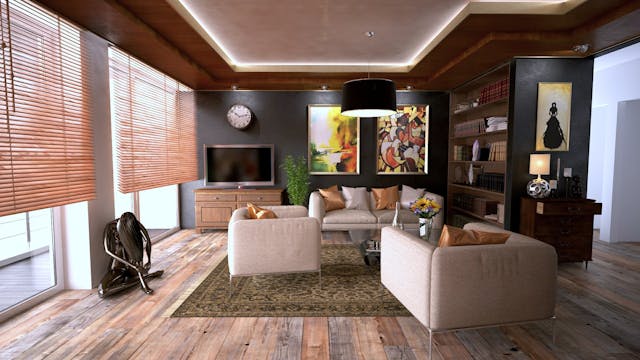
 When considering comfort at home, we often think of plush cushions, ambient lighting, and calming colour palettes. In style-conscious cities like Melbourne—widely regarded as Australia’s hub of innovative interior design—people have a particular appreciation for how carefully arranged furniture elevates comfort and daily living.
Across Melbourne’s distinct homes and apartments, it’s clear that the way we position our furniture not only transforms the look of a room but also shapes how we feel, move, and interact within it. Strategic placement can turn any space into a haven of functionality and emotional ease. Here’s how.
Improves Natural Movement Flow
At the heart of interior design is circulation. Poorly positioned furniture can obstruct movement and create a sense of clutter or confinement, even in large spaces. Effective furniture placement supports clear pathways that allow for unimpeded movement between functional zones.
For example, in an open-plan living area, placing the sofa with its back to the dining area can visually separate the two zones while maintaining open circulation around both. Ensuring doorways, walkways, and common routes remain free helps reduce daily frustration and promotes a sense of ease in the space.
Enhances Functional Use of Space
Comfort doesn’t only mean physical ease. It’s also about whether a space performs the way it should. Properly placed furniture ensures that rooms fulfil their intended functions effectively.
A reading nook becomes inviting with a well-placed armchair near a window and a side table for books or tea. In a home office, positioning a desk to avoid glare while still enjoying natural light improves productivity and reduces strain. Understanding how you want to use a room should guide how furniture is laid out, balancing aesthetic with function.
Maximises Light and Airflow
Strategic furniture placement also plays a pivotal role in making the most of natural light and ventilation, both essential for a comfortable indoor environment. Blocking a window with a bulky wardrobe or placing a high-backed sofa in front of a light source can make a space feel dim and closed in.
Instead, consider arranging low-profile or transparent furnishings near windows to allow light to filter through. Natural light significantly enhances mood, reduces stress, and improves cognitive performance by regulating circadian rhythms and promoting visual comfort, making it a powerful tool for well-being. Align seating areas with windows or balconies to draw the eye outside and encourage natural airflow, enhancing not only physical comfort but also psychological well-being.
Supports Emotional Well-being and Connection
Furniture arrangement can influence how we relate to one another within a room. In communal areas like living rooms, furniture should be positioned to foster conversation; placing seating in a circular or L-shaped configuration encourages eye contact and engagement.
In contrast, a solitary armchair tucked into a corner can provide a quiet refuge for reflection or solitude. Recognising and incorporating both sociopetal (bringing people together) and sociofugal (encouraging separation) layouts in the home contributes to both social connection and personal sanctuary—key ingredients in emotional comfort.
Encourages Tidiness and Organisation
One often underestimated benefit of intentional furniture layout is how it promotes tidiness. Designated zones with well-placed furniture can create intuitive storage and usage patterns, reducing visual clutter.
For instance, placing a console table near the entryway encourages consistent placement of keys and bags, while floating shelves above or beside beds and sofas keep books, devices, or decor accessible without encroaching on comfort zones. This approach to layout and tidiness is frequently applied by experienced home stylists in Melbourne, who understand that balance, proportion, and flow are just as vital as furniture choice when shaping a serene interior.
Reinforces Room Identity and Purpose
Each room in your home has a role; whether it’s rest, work, play, or gathering. When furniture is haphazardly arranged, these roles can become blurred, leading to feelings of unease or confusion. Thoughtful furniture placement reinforces the identity of each space.
A dining table centrally positioned under a pendant light becomes a focal point for meals and conversation. Meanwhile, a TV-oriented layout in the living room signals it’s a space for entertainment. When the layout aligns with the room’s intended use, it enhances our sense of order and calm.