Refreshing a home does not always require a full renovation or a large budget. In many cases, small, strategic updates can dramatically change how a space looks and feels.
Across the home and living space, there is a growing preference for practical improvements that combine functionality with style, allowing homeowners to create a more comfortable and visually cohesive environment without unnecessary complexity.
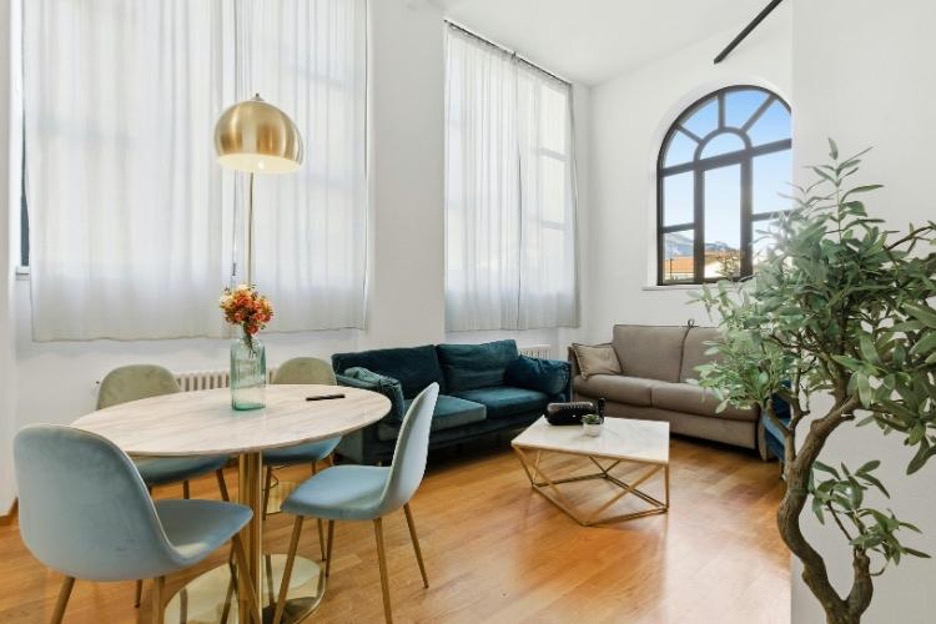
The key lies in understanding which elements have the most influence. From textiles to lighting, subtle changes can redefine a room’s atmosphere, improve usability, and better reflect personal taste.
When approached thoughtfully, even the simplest adjustments can transform everyday living into a more refined and enjoyable experience.
Rethinking Layout, Lighting, and Foundational Elements
Before focusing on decorative details, it is important to consider the room’s structure. Layout and lighting form the foundation of any interior, influencing both aesthetics and functionality.
Rearranging furniture can immediately improve the flow of a space. For example, positioning seating to encourage conversation or maximizing natural light exposure can make a room feel more open and inviting. Small adjustments, such as pulling furniture away from walls or redefining zones within a room, can also create a more intentional layout.
Lighting plays an equally important role. A combination of ambient, task, and accent lighting can add depth and flexibility to a space. Replacing harsh overhead lighting with softer, layered options can create a more comfortable atmosphere.
Other foundational upgrades include:
- Swapping outdated light fixtures for modern alternatives
- Introducing mirrors to reflect light and enhance space
- Decluttering surfaces to create a more streamlined look
These changes may seem subtle, but they provide a strong base for more visible décor improvements.
Curtains as a High-Impact Décor Upgrade
Among the most effective yet often overlooked home updates is the use of curtains. Window treatments play a central role in defining a room’s aesthetic, influencing light control, privacy, and overall style.
Curtains can significantly alter the perception of space. Floor-length designs can make ceilings appear higher, while lighter fabrics allow more natural light to filter through, creating an open and airy feel.
Heavier fabrics, on the other hand, can add warmth and structure, making a room feel more grounded and comfortable.
Brands like Terrys Fabrics offer a wide selection of materials designed to suit different interior styles, from minimal and contemporary to more traditional settings. Exploring options from Terrys Fabrics can help homeowners bring new life into their space.
When updating curtains, consider:
- Hanging them higher than the window frame to create the illusion of height
- Choosing colours that complement walls and furniture
- Selecting fabric weight based on light control and privacy needs
- Using patterns or textures to introduce subtle visual interest
These adjustments are relatively simple but can noticeably redefine a room’s character.
Updating Soft Furnishings for Texture and Comfort
Soft furnishings, including cushions, throws, and rugs, offer an accessible way to introduce texture and variation into a space. Unlike permanent fixtures, these elements can be easily changed, making them ideal for seasonal updates or style refreshes.
Layering is key when working with soft furnishings. Combining different textures, such as linen, wool, or velvet, can create depth and prevent a room from feeling flat. Colour also plays an important role, with coordinated palettes helping to tie different elements together.
Practical updates in this area include:
- Swapping cushion covers to reflect changing seasons
- Adding a throw to enhance comfort and visual warmth
- Using rugs to define areas within open-plan spaces
- Mixing patterns carefully to maintain balance
These small additions can make a room feel more inviting while allowing for design flexibility.
Refreshing Walls Without Major Renovation
Walls provide one of the largest visual surfaces in a home, making them an effective place to introduce change. While repainting is an option, there are several less intensive ways to refresh a space.
Gallery walls allow homeowners to display artwork, photographs, or prints in a way that reflects personal style. Removable wallpaper offers another alternative, providing pattern and texture without long-term commitment.
Additional wall-focused updates include:
- Installing floating shelves for storage and display
- Using large artwork to create a focal point
- Incorporating textured finishes for added dimension
Beyond these, creating a permanent architectural feature like a classic board and batten accent wall is a sophisticated way to add character and value to a room without the mess of a major construction project.”
Incorporating Functional Décor Elements
Functional décor focuses on items that serve a purpose while also contributing to the overall design. This approach is particularly valuable in modern homes, where efficiency and aesthetics often need to coexist.
Examples of functional décor include:
- Storage solutions that double as decorative features
- Stylish trays for organizing surfaces
- Lighting that acts as both illumination and a design statement
Terrys Fabrics fits naturally into this category, as their products combine practicality with visual appeal. Curtains and fabrics, for example, provide insulation and privacy while enhancing the room’s overall look.
By choosing items that are both useful and visually pleasing, homeowners can reduce clutter and create a more cohesive environment.
Paying Attention to Small Finishing Details
Often, it is the smallest details that complete a space. Finishing touches can bring cohesion and elevate the overall design without requiring major changes.
These details might include:
- Updating hardware such as curtain rods or cabinet handles
- Introducing plants to add a natural element
- Coordinating accessories like vases or decorative objects
- Maintaining consistency in colour and material choices
While individually minor, these elements work together to create a polished and balanced interior.
Attention to detail ensures that every aspect of a room contributes to the overall aesthetic. This level of consideration is often what distinguishes a thoughtfully designed space from one that feels incomplete.
Conclusion
Home décor improvements do not need to be extensive to be effective. By focusing on key areas such as layout, curtains, soft furnishings, and finishing details, it is possible to create meaningful changes that enhance both the appearance and functionality of a space.
The emphasis on small, practical updates reflects a broader shift toward intentional living. Rather than pursuing large-scale transformations, many homeowners are choosing to refine their environments through thoughtful adjustments that align with their needs and preferences.
As these trends continue to evolve, the ability to identify and implement impactful changes will remain essential.
By making considered choices and focusing on quality, individuals can create spaces that feel both comfortable and visually cohesive, demonstrating that even the smallest updates can have a lasting impact.